
Have you heard about the Netflix movie about Mary, the mother of Jesus? A lot of folks are talking about it, as the film raises some questions.
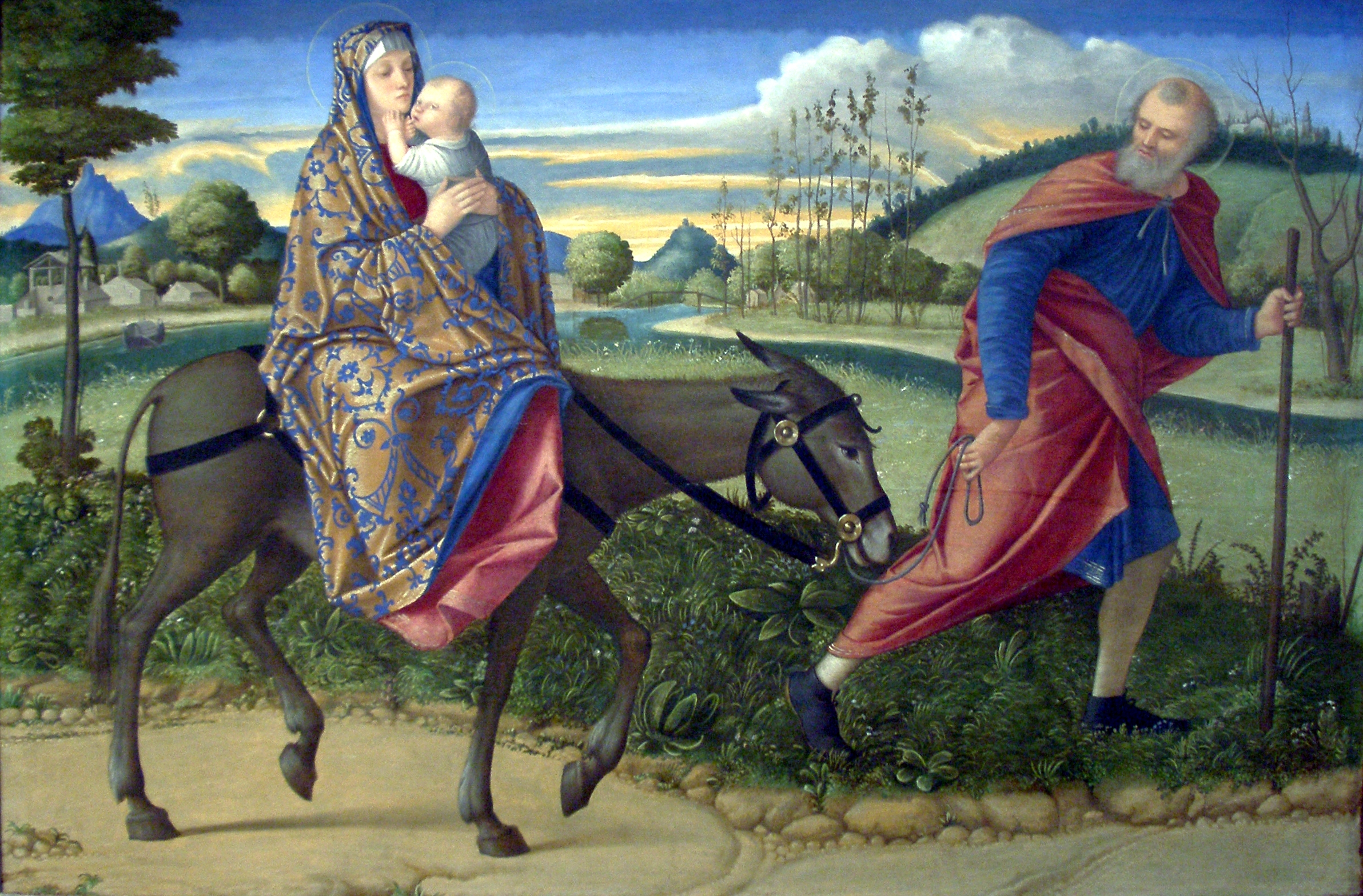
Did a pregnant Mary ride a donkey all of the way from Nazareth down to Bethlehem to give birth to Jesus? Well, it certainly is plausible that a donkey was involved, as they were known as common utility animals in the ancient Middle East. Unfortunately, the New Testament never mentions anything about a donkey regarding the circumstances surrounding Jesus’ birth. Both Luke and Matthew, our primary sources for the Virgin Birth, are silent about the mode of Mary’s transportation. So, how did the donkey find its way into the story?
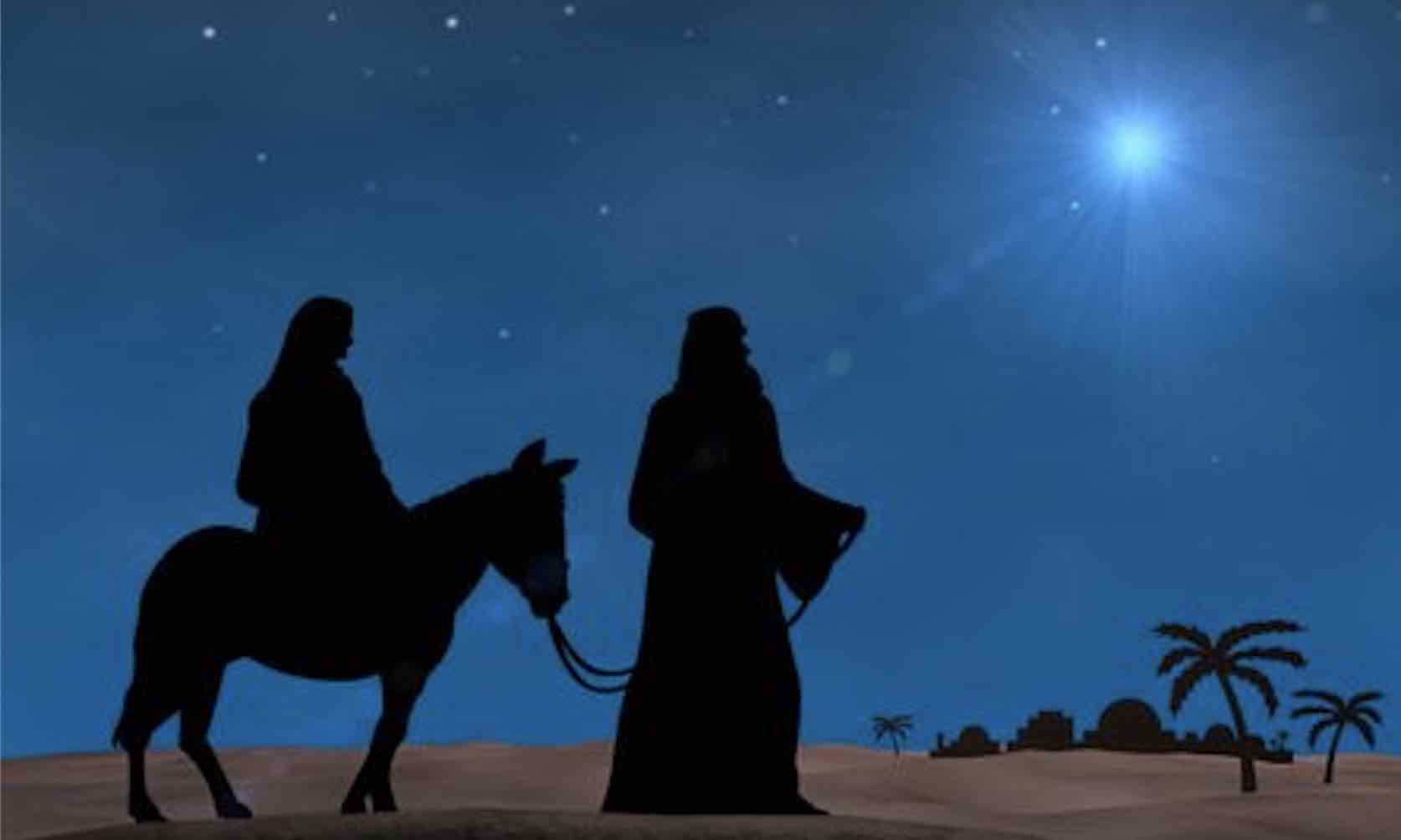
Where did Joseph and Mary get that donkey from? …. Spoiler alert: Not from the New Testament.
It turns out that a popular work called the Gospel of James, otherwise known as the Protoevangelium of James, mentions Mary riding a donkey as Joseph and Mary set out for Bethlehem from Nazareth. But there are other details in the Protoevangelium that you will not find in Luke or Matthew either. Joseph had been married before, and his “son” (probably James, the step-brother of Jesus, the supposed author of this Gospel) led the donkey on the trip down to Bethlehem. Apparently, Joseph was a much older man when he married Mary, according to the story.
New Testament scholar and early Christian historian Simon Gathercole notes that this Gospel of James was very popular in early and medieval Christianity. However, Gathercole tells us that the Gospel of James could not have been written by James, the “step-brother” of Jesus (or simply “brother,” according to most Protestants), as the book probably dates back to the latter part of the second century, long after James had died, at least a century earlier. The early church never accepted the Gospel of James as part of the New Testament canon, as it was clearly a forgery. But it did serve as a kind of Christian “fan fiction” that tried to fill in the missing gaps in the official narratives provided by Matthew and Luke.
For example, the Protoevangelium also gives us the traditional names of Mary’s parents, Joachim and Anna (or Anne). In many ways, the focus of the Protoevangelium of James is not as much about Jesus as it is about Mary. Among Roman Catholics, the Eastern Orthodox, and even the earliest Reformers, like both John Calvin and Martin Luther, have accepted the perpetual virginity of Mary, the doctrine which states that Joseph and Mary technically never had sexual relations during their marriage, even after the birth of Jesus. The brothers of Jesus, like James, were actually step-brothers resulting from a prior marriage by Joseph, or that these brothers were cousins of Jesus. The Protoevangelium was one of the main sources for this early Christian belief.
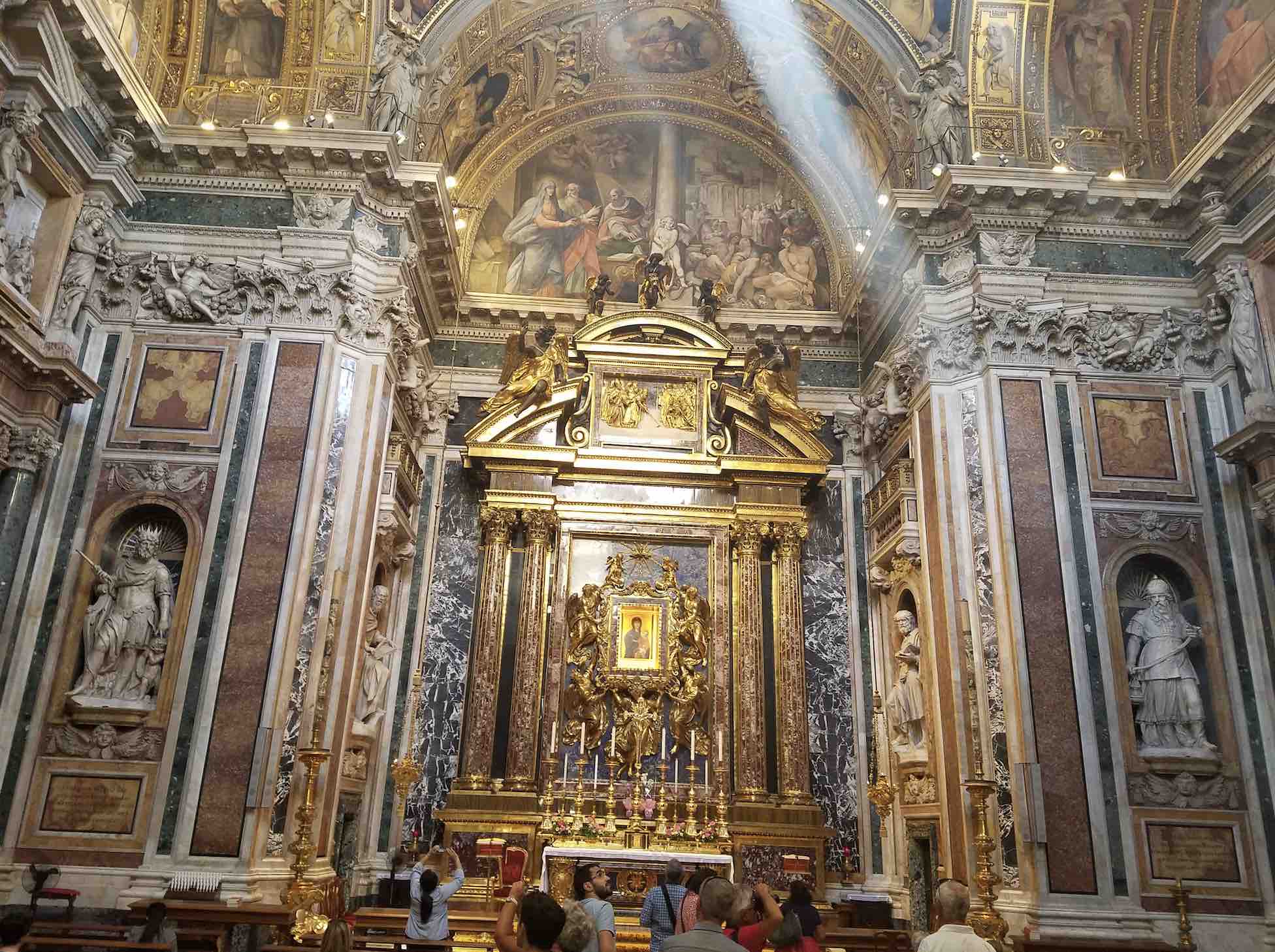
One of many side chapels in Santa Maria Maggiore, a beautiful church in Rome, Italy, dedicated to the Virgin Mary, from our trip to Rome in 2018. Though a little difficult to see, another photo linked here of the Triumphal Arch at the church shows Mary, as told by the Protoevangelium of James, with a scarlet thread she used to spin to help make the curtain of the Jerusalem Temple, in the top left mosaic. A dove representing the Holy Spirit is above her head, showing the Annunciation as described in Luke 1:26-38.
More Than You Ever Knew About Mary
In 2018, my wife and I visited Santa Maria Maggiore, a breathtakingly ornate church in the heart of Rome. The tour guide made it a point to tell us about a mosaic portraying Mary weaving some type of garment with scarlet thread. I should have taken a photo of the mosaic, but I missed that opportunity. I had no clue what the guide was talking about until I read Gathercole’s translation of the Protoevangelium of James in his The Apocryphal Gospels, part of the Penguin Classics series, not too long ago. In the Protoevangelium, Mary is tasked to spin scarlet thread for use in making the great robe of the Jerusalem Temple, which tore on the day when Jesus was crucified.
After reading that, it finally clicked with me regarding the significance of the scarlet thread.
It is a pretty cool idea that Mary might have had such a connection with the Temple robe. But unfortunately, this is all highly speculative. No historian today accepts this part of the Protoevangelium as being grounded in actual historical data.
What is bizarre in the Protoevangelium about Mary’s relationship with the Temple is that Mary ends up spending a lot of time at the Temple. I mean, A LOT OF TIME. According to the Protevangelium, she actually lives at the Temple as a young girl, from about age 3 to age 12. She even “received her food from an angel” (Protoevangelium, chapter. 8).
I am sorry, but I can not get the image out of my head of someone from Dominos or Grubhub dropping off delivery meals to Mary while she is spinning thread in her Temple dorm room. You get the impression that the Protoevangelium uses this Temple-connection to somehow reinforce the idea of Mary’s purity.
Wherever this story about Mary and the Temple came from, it probably was not the Jewish Temple in Jerusalem. Instead, it is more reminiscent about the Vestal Virgins in the city of Rome.
Frankly, this is really over the top. Mary must have had a pretty boring childhood, if there was any historical substance to this story…. which there really is not. Nevertheless, the incredulity of the story never stopped it from being believed, at least in parts, by many Christians for hundreds of years. The Protestant Reformation 500 years ago, with its emphasis on the Bible as we have it today, essentially wiped out interest in the Protoevangelium of James. But my visit to Rome, filled with artistic references to the Protoevangelium in the Santa Mary Maggiore church, convinced me that many Christians took great interest in this Gospel forgery for centuries.
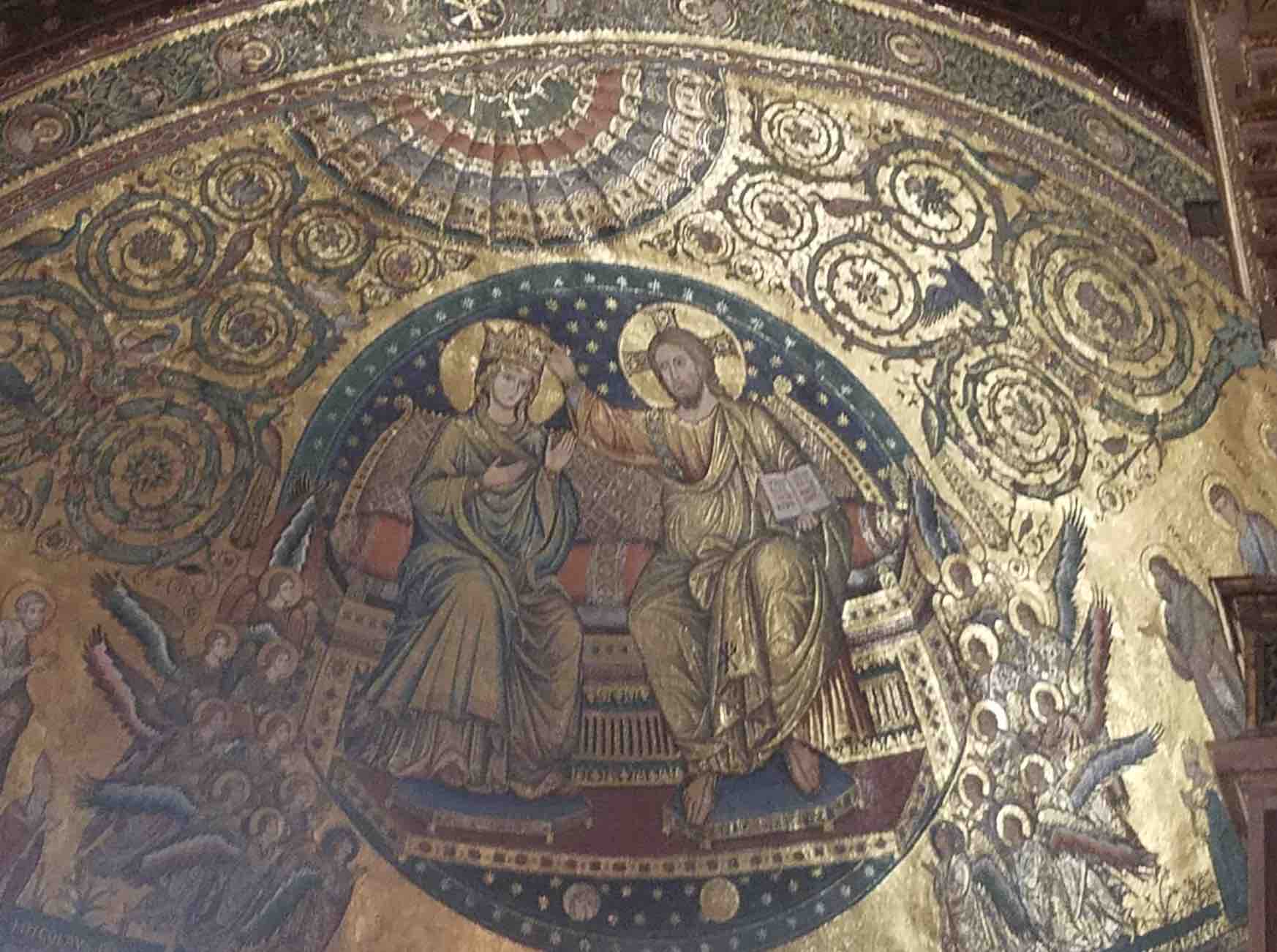
I took this photo in 2018 of the “Coronation of Mary” at Santa Maria Maggiore, showing Jesus crowning Mary. The veneration of Mary has a long, long history.
The “Cave” of Jesus’ Birth in Bethlehem
Exactly thirty years ago this year, back in 1994, I made a trip with some friends to the Holy Land, and had the opportunity to visit the Church of the Nativity in Bethlehem, that traditional site where Jesus was born. It is difficult to tell how accurate the location really is, as the story goes that the emperor Hadrian in the second century erected a pagan temple over the site, in order to try to obscure the Christian claims that Jesus was born there.
When we followed our guide down a passageway in the church, we came to the location of a “cave” where Jesus was born. The New Testament mentions that Jesus was born in something like a stable and then laid in a “manger,” but interestingly, the Protoevangelium tells us that Jesus was born in a “cave” instead. When our guide was talking about this “cave,” I kept wondering how Joseph and Mary would have fit the “manger” within that “cave,” which kind of looks like a fireplace, with a hearth in front of it. But no, the Protoevangelium does not mention a “manger” at this point. The “manger” only comes into play later in the story. Those who built the Church of the Nativity obviously were familiar with the tradition popularized by the Protoevangelium of James. (For those wondering about there being “no room at the inn,” check out this blog post from the Veracity archives).
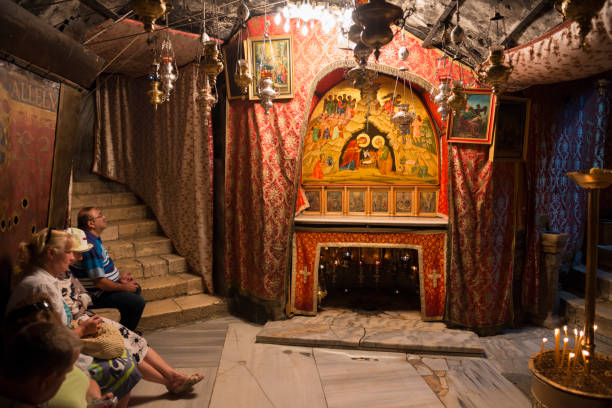
Bethlehem, West Bank, Palestine – July 23, 2013: People gather to pray and reflect at the Grotto of the Nativity, the birthplace of Jesus inside the Church of the Nativity in Bethlehem, Palestine.
Netflix Revives the Protoevangelium of James
There has been a lot of renewed interest in the Protevangelium of James this year (2024), in light of the release of a Netflix film about Mary, featuring Anthony Hopkins playing the part of Herod. The writers of Mary apparently used the Protoevangelium as one of the sources to create the storyline of the movie.
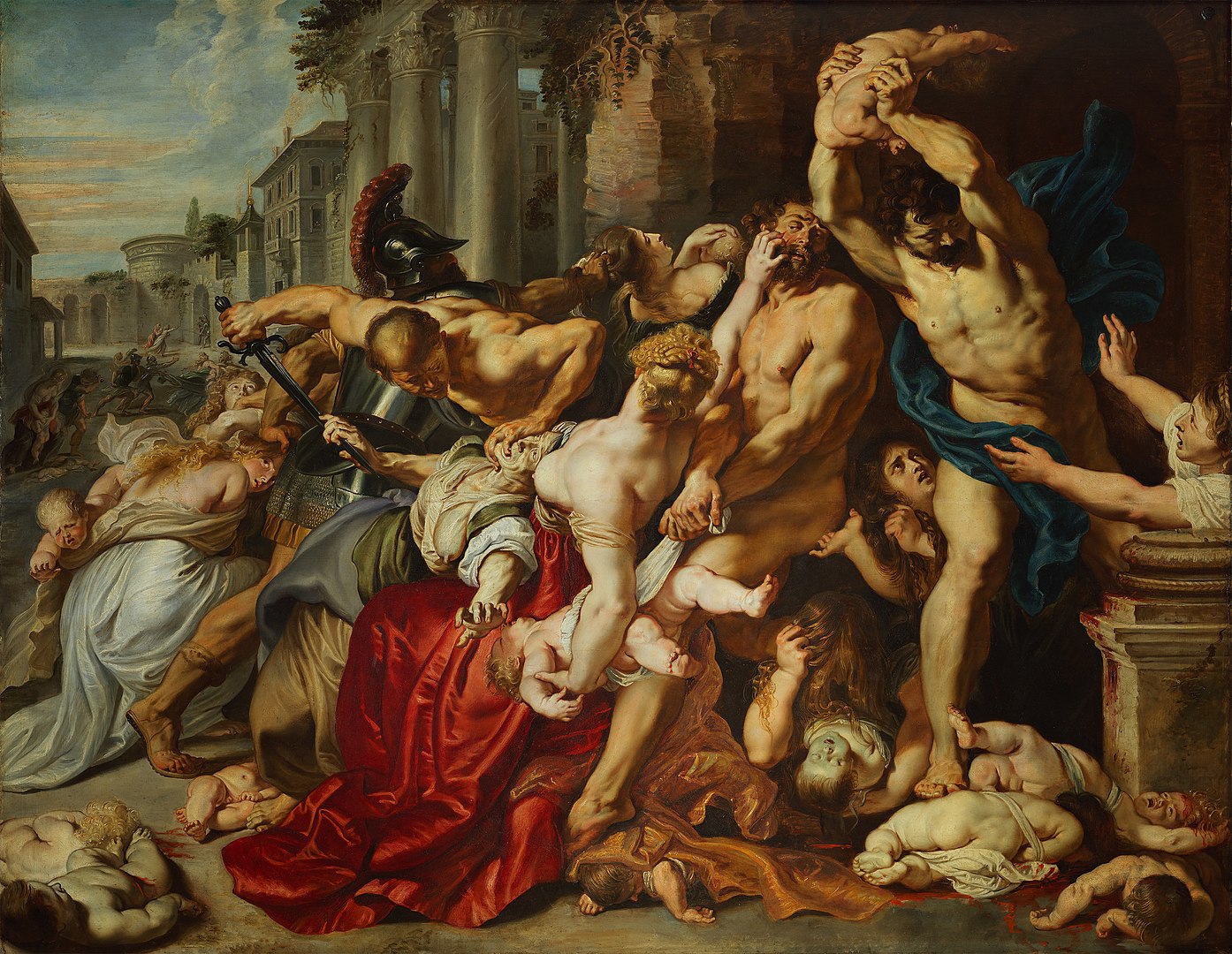
Speaking of Herod, here is one other area where the Protoevangelium conflicts with what we read about in the New Testament. In Matthew’s version, the Holy Family make their way down to Egypt, probably along the way or near Alexandria where there was a large population of Jews living, in order to evade Herod’s attempts to kill Jesus by having all of the male babies in Bethlehem murdered. Yet in the Protoevangelium, Joseph and Mary never left Bethlehem, and instead Mary hid the baby Jesus in some swaddling clothes in a cow’s manger, while Herod’s “secret police” were rounding up baby boys to be slaughtered.
Ah, so this is where the “manger” pops into the Protoevangelium’s narrative. Presumably, the author of the Protoevangelium realized that a really old Joseph would not fair so well in making the journey all of the way to Egypt, which would have easily taken several weeks to make on foot. Therefore, Mary has to stash the baby Jesus somewhere near Bethlehem so that Herod’s death squad does not find the Messiah.
This is all very interesting. However, this Christmas, I will take Matthew’s version of the story over what the Protoevangelium tells us.
The Problem With Christian Forgeries
Sadly, the practice of writing forgeries by some Christians has proven difficult to stamp out, causing some scholars and skeptics to wonder how far the Christian practice of forgery making has distorted our view of Christian history… and even the New Testament itself. Despite efforts to discourage Christian forgeries by church leaders over the centuries, books like the Protoevangelium of James have maintained their influence: some good and some bad. Some of the bad stuff is unbelievably bad. There are a few lessons to be learned here:
- It is quite possible that the Protoevangelium of James relies on some actual historical sources, concerning some of the details the story relates to the reader. As Simon Gathercole quotes from a statement made by Jerome, the late 4th century translator of the Latin Vulgate, it is possible to find some “gold in amongst the muck” (Gathercole, The Apocryphal Gospels, p. xvii). Importantly, the Protoevangelium affirms the Virgin Birth of Jesus, just as Matthew and Luke tell us. Perhaps Joachim and Anna are indeed the names of Mary’s parents. We simply can not confirm one way or another as to the truthfulness of the Protoevangelium’s assertion regarding these names. Personally, I am okay with accepting Joachim and Anna (or Anne) as their names, as most Roman Catholic and Eastern Orthodox Christians do.
- It is better to stick with the New Testament instead of relying on sources that only go back to the late second century, well after the supposed author had died. But the temptation to “fill in the gaps” missing from the Bible can lead to accretions over time which can distort the original picture.
- Long received Christian traditions are generally fine and good, but we should be careful about accepting certain beliefs as dogmas that are not clearly rooted in the New Testament. Many Christians throughout the world wholeheartedly believe in the perpetual virginity of Mary, and other highly elevated views of Mary. Mary indeed is to be greatly honored for her act of obedience and her piety, but whatever we do, we should not elevate Mary at the expense of elevating Jesus himself.
- Given the fact that there were forgeries circulating in the early church, whether they were written with supposedly good or nefarious intentions, it is to be expected that some are skeptical about certain historical claims about the Christian faith. (The standard historical critical scholarship of our day suggests that the Virgin Birth stories in both Matthew and Luke are fictional, largely due to historical problems related to the census of Quirinius, but I am convinced of a better approach). Nevertheless, the New Testament itself has provided the historically orthodox standard for faith and practice, so it is vital that historically orthodox followers of Jesus uphold the authority of Scripture, as we find in our Bibles.
- The early church made the right call in rejecting the Protoevangelium of James as part of canonical Scripture, even if some …. and I mean only some ….of the historical data in this forged document actually has some truth to it.
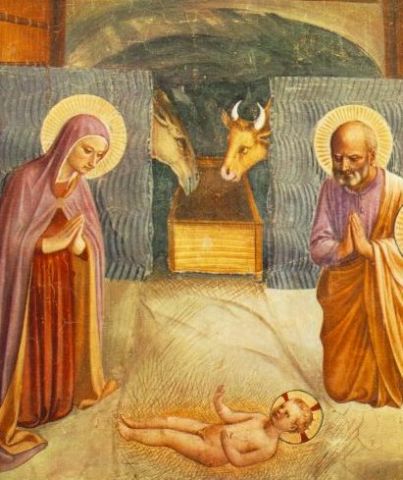
A close-up of part of Fra Angelico’s fresco, in Florence, showing the ox and ass peering in from behind their stalls, to catch a glimpse of the baby Jesus.
The Protoevangelium of James is not the only apocryphal gospel source for details influencing how Christians have thought about the birth of Jesus over the centuries. Texts like the Gospel of Pseudo-Matthew, which includes a forged letter reportedly written by St. Jerome, follows much of the same storyline we find in the Protoevangelium of James, but it also includes the first known reference to the “ox and ass,” which shows up in a number of Christmas carols and nativity displays. Neither Luke nor Matthew includes anything about an “ox and ass” present at Jesus’ birth.
Most scholars say that the “ox and ass” got incorporated into the story as a veiled reference to messianic prophecy found in Isaiah 1:3 (ESV):
The ox knows its owner,
and the donkey its master’s crib,
but Israel does not know,
my people do not understand.”
Christian apologist Mike Winger offers a YouTube video reading Protoevangelium of James, if you would rather listen to it than read it yourself (see below). Winger is a Protestant, and is not terribly thrilled with the new Netflix Mary movie (I do not have Netflix, so I can not offer a film review).
There are plenty of ways of reading the Protoevangelium of James, but I would recommend Simon Gathercole’s The Apocryphal Gospels as Gathercole has a nice introduction to each apocryphal work. I met Dr. Gathercole earlier this year in Cambridge, England, and he is certainly one of the finest New Testament scholars and early Christian historians we have living today, and a wonderfully evangelical and historically orthodox Christian, too!!
And with that, I wish readers of the Veracity blog a very Merry Christmas!!
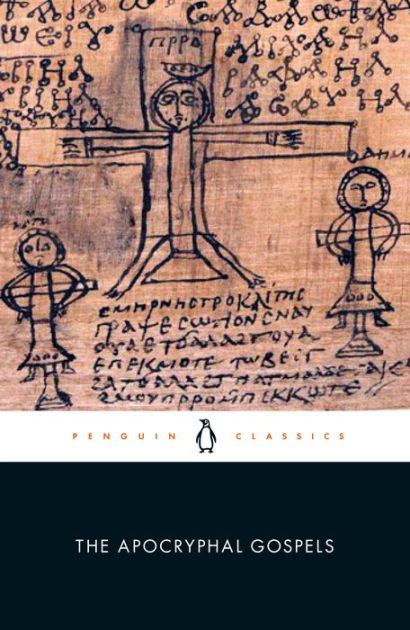
The Apocryphal Gospels, a translation of about 40 Gospels or Gospel fragments by New Testament scholar Simon Gathercole, including the Protoevangelium of James, gathers together texts that have enjoyed various degrees of attention over the centuries, but that were never accepted into the New Testament canon, due to concerns about their authenticity. Part of the Penguin Classics series. Some of these texts have only been rediscovered within the past two hundred years. You can find other collections like this, but Gathercole offers an irenic approach sympathetic more towards historic orthodox Christianity.

Simon J. Gathercole. United Kingdom New Testament scholar, Professor of New Testament and Early Christianity, and Director of Studies at Fitzwilliam College, Cambridge. I met Dr. Gathercole in Cambridge in January, 2024.







 Veracity