Category Archives: Uncategorized

Christmas in Europe: A Tour of Cambridge, England

My wife and I were able to tack on a few extra days, after our Christmas stay in Belgium, to go and visit friends staying in Cambridge, England.

Jon Thompson, the director of the Cambridge House at the College of William and Mary, had taken his family back to Cambridge, where he had previously studied philosophy, before eventually coming to Williamsburg, Virginia. A wide-ranging group of believers in Williamsburg had prayed for several years for the founding of a Christian Study Center at William and Mary, so it has been wonderful to see how God brought Jon Thompson and his family to Williamsburg less than two years ago, to oversee the work at the Cambridge House.

Our Christmas in Europe made it possible to meet up with Jon and his family in his old “stomping grounds” in Cambridge, England. Sickness made traveling quite difficult for us, but Jon was able to take me on a tour of the university town of Cambridge one afternoon.

Jon Thompson, director of the Cambridge House, at the College of William and Mary, took me on tour of the namesake for the Cambridge House, the university town of Cambridge, England, in January, 2024. We are standing in front of the residence the Thompsons’ had while in Cambridge for a few weeks.


Part of Jon’s interest in coming to Williamsburg to serve as the director of the Cambridge House at the College of William and Mary stems from his experience as an intern at the Round Church, a medieval church building in the very center of Cambridge, which now serves as a Christian Study Center for the academic community of Cambridge. This was also where we began our tour of the town of Cambridge, England.

William and Mary Cambridge House director, Jon Thompson, in front of the Round Church, now a Christian Study Center, in Cambridge, England.


Cambridge, England is an interesting college town, as it is actually a network of loosely affiliated colleges, all part of the Cambridge academic community. The famous Christian apologist and Oxford scholar, C.S. Lewis, spent the last nine years of his life as the Chair of Medieval and Renaissance English for Magdalene College, one of the many colleges that are part of Cambridge. Our official tour guide for a “Christian Heritage” tour of Cambridge, was a wonderful young lady who told us about Lewis’ teaching career at Magdalene, as we gazed across the river Cam, looking at the Bridge that crosses the river, hence the name of the city: “Cam-Bridge.”
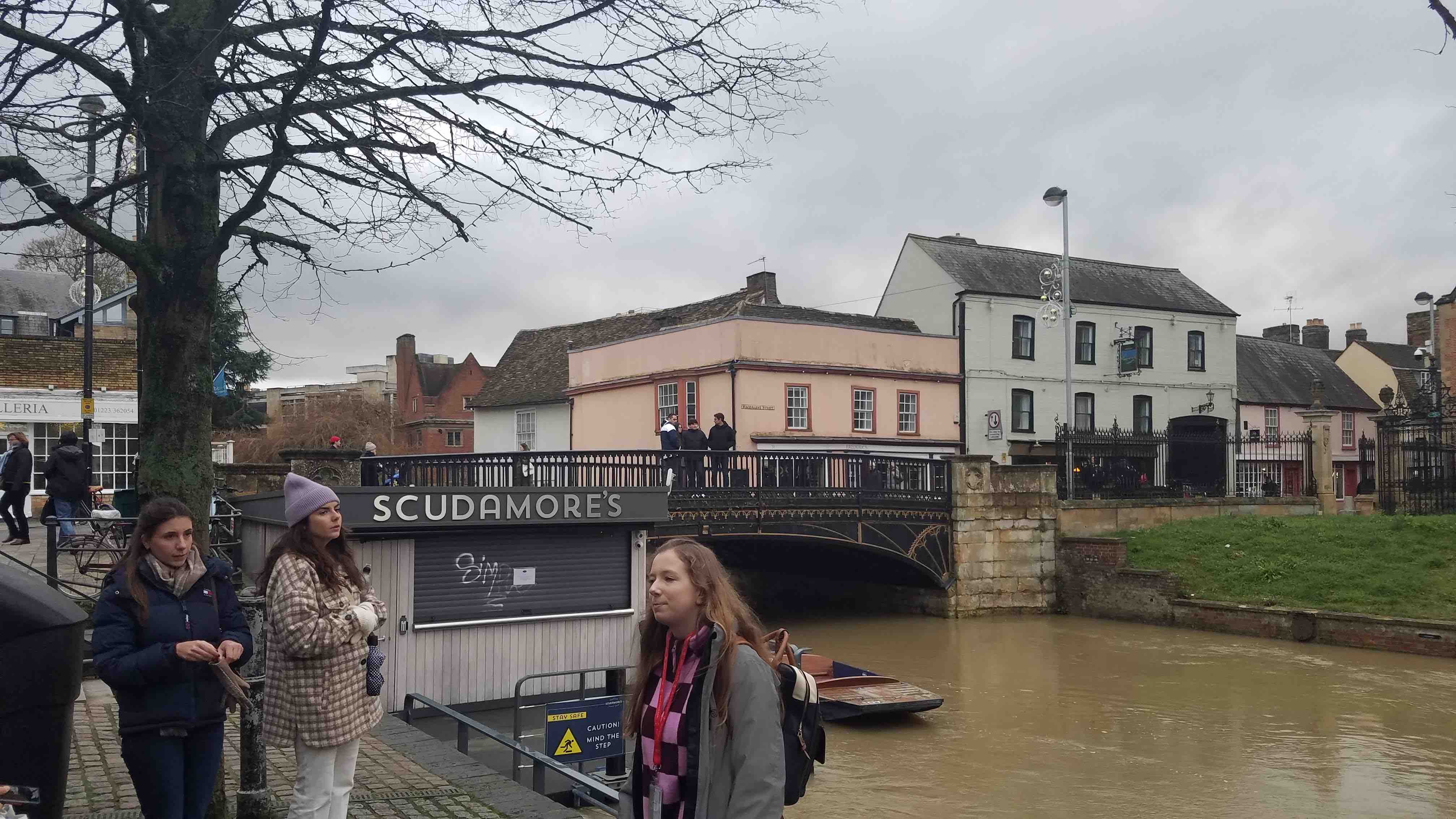
 

Visitors to Cambridge often will go “punting” along the River Cam to view colleges that dot its shoreline. However, the river was running quite high while we were in Cambridge, and the cold weather discouraged us from any “punting” experience.


The neat thing about this “Christian Heritage” tour is that we got the opportunity to visit inside some of the various colleges, where several of the colleges typically charge separate fees to visit. Some of greatest names in church history are tied to the Cambridge community, not just C.S. Lewis. For example, William Wilberforce, the 19th century evangelical Christian leader and outspoken advocate for getting rid of the British slave trade, attended St. John’s College. We were able to walk the grounds of St. John’s College and even take a few minutes to visit inside of the beautiful Chapel at St. John’s:

The courtyard of St. John’s College in Cambridge, England. Several Christian leaders in the early 19th century attended college at St. John’s, including William Wilberforce.


St. John’s Chapel at St. John’s College, in Cambridge, England.


We even had the opportunity poke our heads in and glance at the Cavendish Laboratory, led in its early years by James Clerk Maxwell, a leading Scottish scientist of the late 19th century and devout evangelical Christian, whose meditation on the doctrine of the Trinity helped to inspired him to develop his field theory of electricity and magnetism.  His work on “Maxwell’s equations” directly influenced Albert Einstein to develop his theories of relativity. Einstein described Maxwell’s work as the “most profound and the most fruitful that physics has experienced since the time of Newton.” It was at Cavendish Laboratory that the existence of the electron was first discovered:
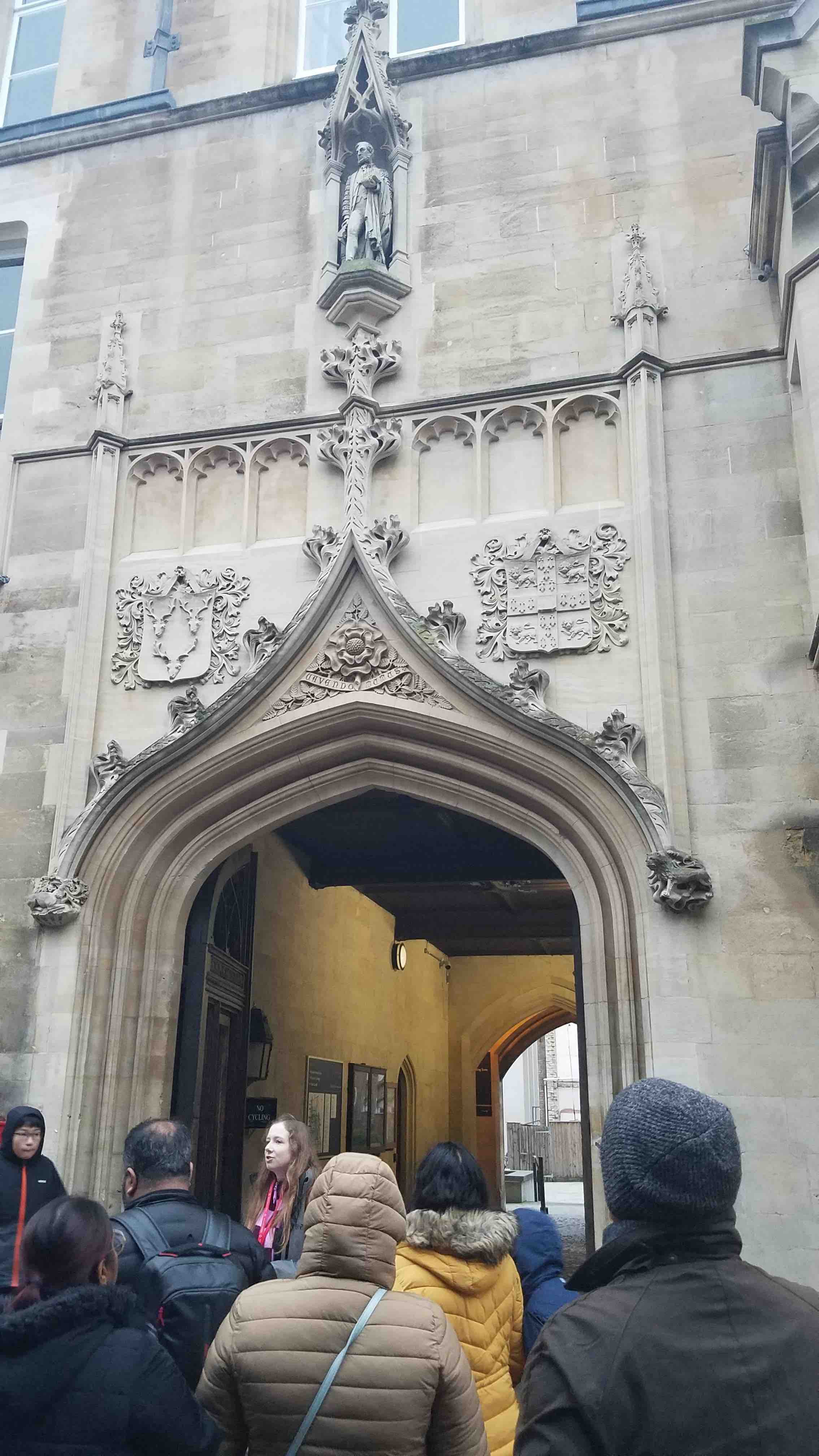
Entrance to the Cavendish Laboratory, historically one of premier physics labs in the world.


What a treat it was walk along the same streets that some of the greatest names in intellectual history have walked: from Isaac Newton to William Wilberforce to James Clerk Maxwell to Clives Staples Lewis.

I will have more photos from our Christmas in Europe trip in future Veracity blog posts.

Emmanuel College, in Cambridge, England. The school was founded by Puritans, with one of its pupils being Thomas Harvard, who would later travel to New England and establish the first English-speaking college in the Americas, which still bears his name.
Culture Clash: Christian, Secular and Soviet Influences In Eastern Europe

During our trip to Europe in 2022, I was particularly struck by the clashes of culture, particularly in cities like Budapest and Prague. For example, there are beautiful churches in Budapest and Prague. For the most part, churches rise above the skyline, a testimony to the time in Europe when Christianity dominated the cultural scene.

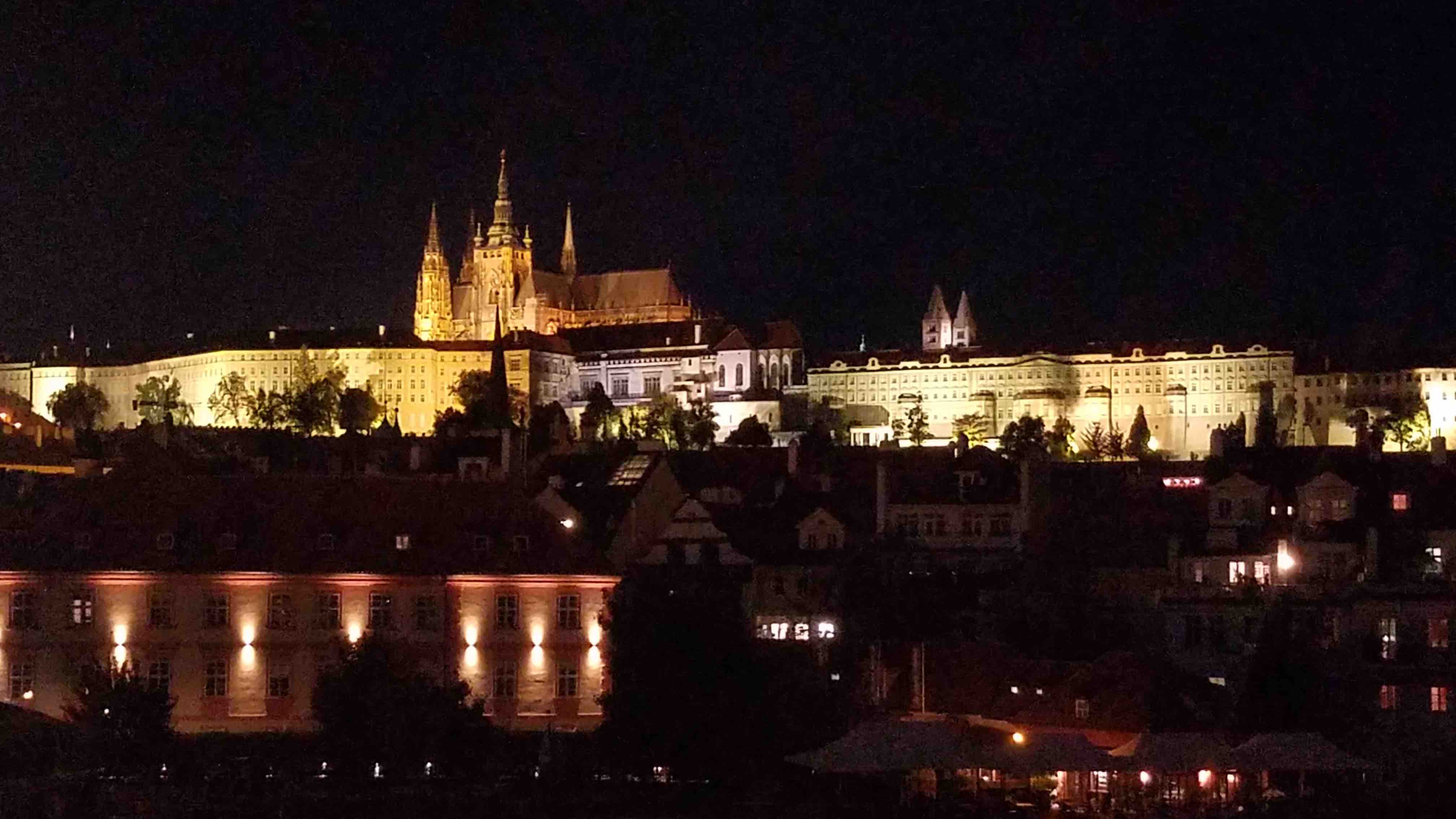
St. Vitus Cathedral, in Prague, Czech Republic, rises above the grand beauty of the Prague Castle at night, a testimony to the Christian era of the Middle Ages.

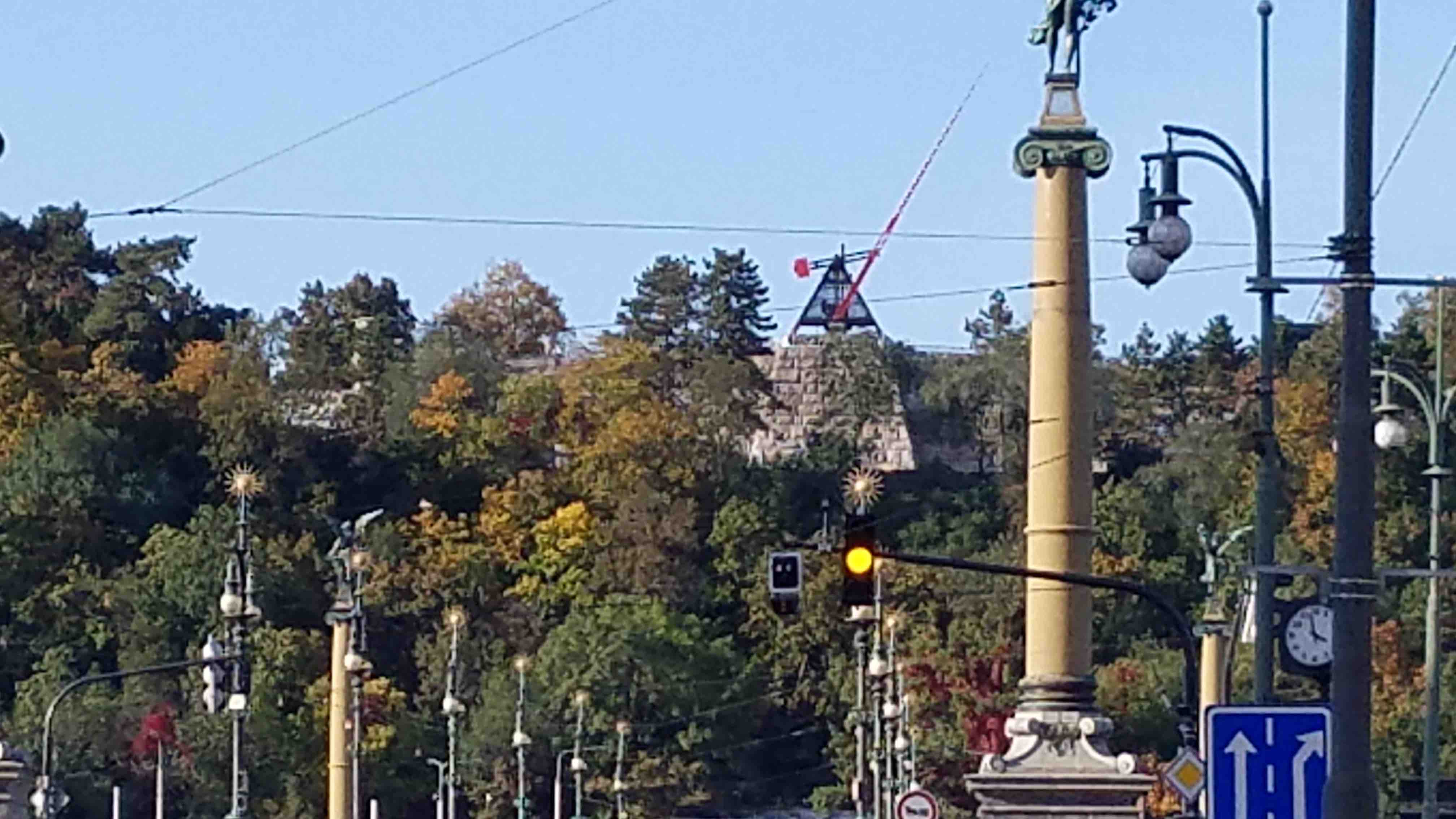
For example, in Prague, St. Vitus rises above the city in grandeur. I snapped the above photo on a beautiful moonlit night, with the spires of St. Vitus stretching upwards towards the sky overlooking the city. In a previous blog, I posted a photo of the interior of St. Vitus, lit up in the afternoon sunlight streaming in through the stained glass windows filled with Christian art. But less than a mile away, the Prague Metronome stands out for display, but with a different message. The curious history of the Prague Metronome is summarized by a plaque at the metronome’s base that reads, “In time, all things pass…”.

You have to know a little history to get the reference. In the mid-1950s, the Soviets installed a massive granite statue to honor Joseph Stalin. Stalin had grown up in the Russian Orthodox Church, and even spent some time studying in a seminary to train as a priest. However, as an adult, Stalin became a fierce opponent of Christianity. But his hatred of Christianity was eclipsed by his reputation for instilling terror and murdering millions. The monument was the largest statue of its kind in Europe until it was demolished in late 1962. It was so big and bulky that it took 1800 lbs. of explosives to take it down, and the Metronome took its place in 1991, after the decline of the Soviet Union.

To get an idea at how unpopular the Stalin statue was, you would have to know that the sculptor, Otakar Švec, killed himself just a few days before the statue was unveiled to the public. Otakar Švec was so horrified by his own creation, that he chose suicide over the humiliation of seeing his statue unveiled before his fellow Czech neighbors and friends. Strangely enough, the Czech Communists went forward with statue unveiling, only to begin the process of de-Stalinization shortly after the statue’s debut.

The Prague Metronome is a repudiation of Stalin’s ideological fanaticism, but I doubt that it is symbolizes a return to Christianity. Today, around 72% of all Czechs in the Czech Republic describe themselves as being “unaffiliated” when it comes to the Christian faith, the highest level of atheism/agnosticism of any country in Europe. On the bright side, at least there is more religious freedom in the Czech Republic now than there has been in recent generations.

The Prague Metronome took the place of the very unpopular Stalin monument. It was hard to get a closer photo of it, but if you click on the photo, you make it out better, rising just above the hill.

A similar story surrounds the “Liberty Statute” in Budapest, erected by the Soviets to celebrate the liberation of Budapest from Nazi Germany, but which was later reconfigured after the failed Hungarian Revolution of the 1950s that tried to oust the Soviets from power (see photo further down below).

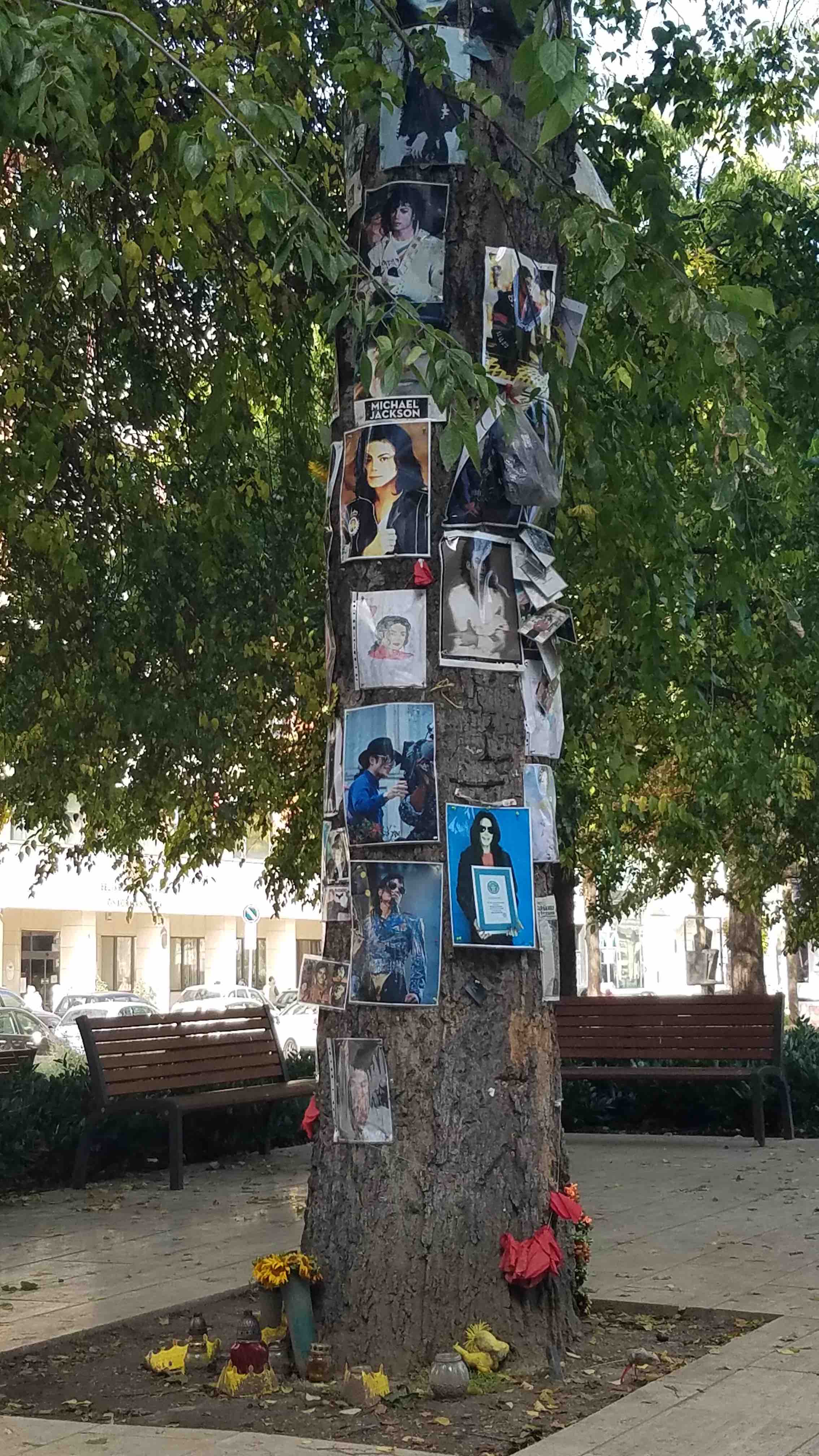
But the specter of failed Marxist experiments are not the only signs of secularization in Eastern Europe. In Budapest, a shrine for singer/songwriter Michael Jackson was erected across the street from the hotel he used to visit, shortly after his death a few years ago. Just a block or so away from the Michael Jackson shrine is the first McDonalds fast food restaurant that opened up in the late 1980s, as the Soviet Union began to fall apart.

Michael Jackson shrine in Budapest.


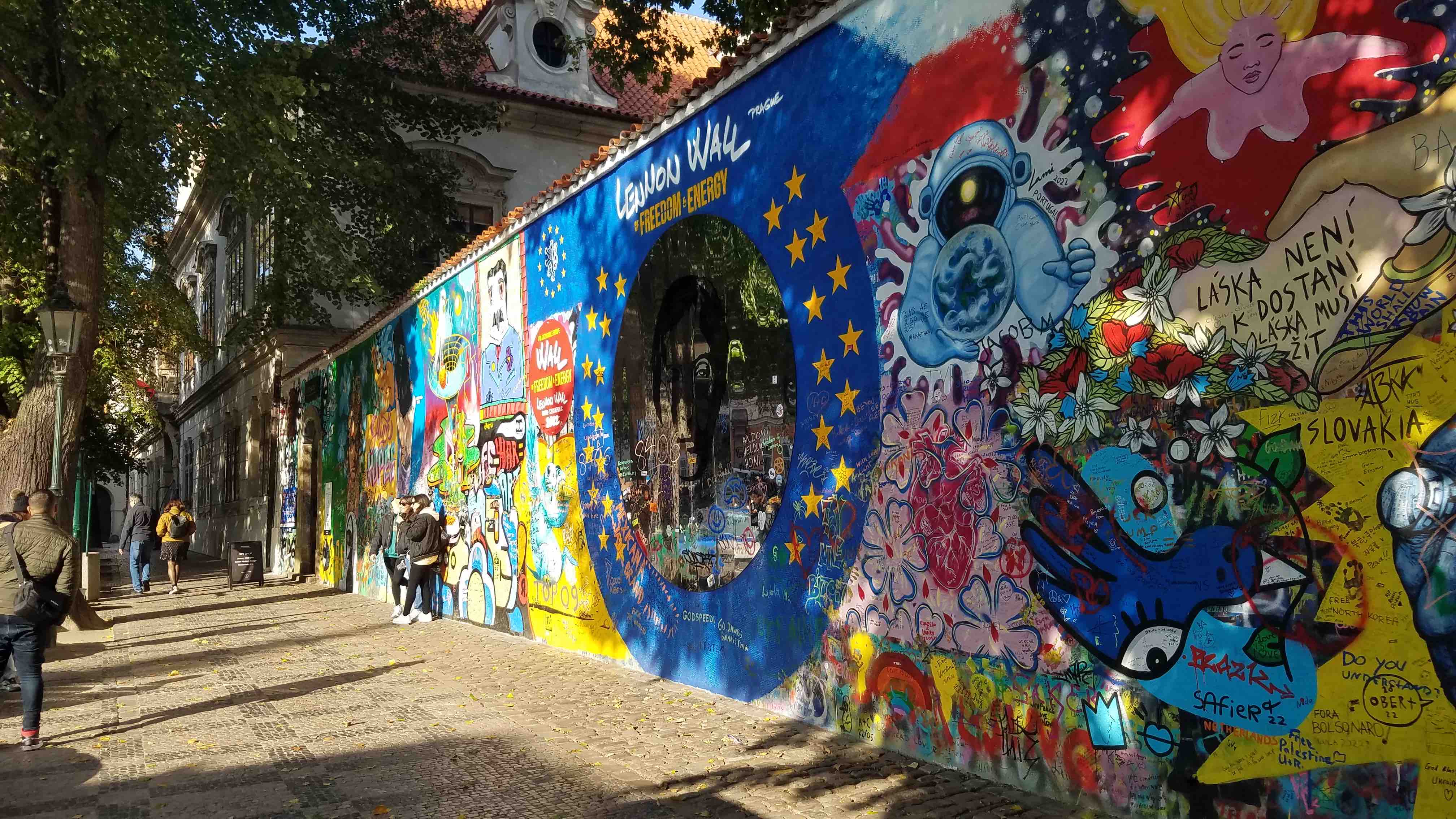
Prague has its own pop-culture shrine, the so-called Lennon Wall, just down the street from our hotel, in honor of the fallen Beatles member, John Lennon. It is just weird to think that a mentally disturbed, suicidally obsessed, American Christian college dropout, Mark David Chapman, murdered John Lennon in 1980, catapulting John Lennon into secular martyrdom status. The iconic martyrdom status of John Lennon, marked by the graffiti painted on the Lennon wall, far supersedes the memory of another fallen Beatle, George Harrison, who was known for his conversion to Hinduism. Lennon wrote the song, “Imagine,” which is often regarded as a stinging critique of organized religious faith of any kind.

The Lennon Wall, in Lessertown, in Prague, Czech Republic. As I stood around the wall taking photos on a nice fall day, several groups of Beatles lovers would drop by and take photos of themselves in front of this wall.


It makes me wonder what the future of Europe will look like. Will Christianity ever return and dominate the spiritual life of Central Europe? Bible-believers are surely scattered all over cities like this, but they are generally few in number. Pray that they will have the courage to witness for Jesus, and be beacons of hope in such cities that have lost much confidence in Christian churches. Pray that the people of Europe, in places like Hungary and the Czech Republic, who have endured such suffocating ideological oppression, would become more open  to the Gospel.

I will close out this photo essay with some of my favorite pictures of Europe that I took during our trip. Europe can be stunningly beautiful:

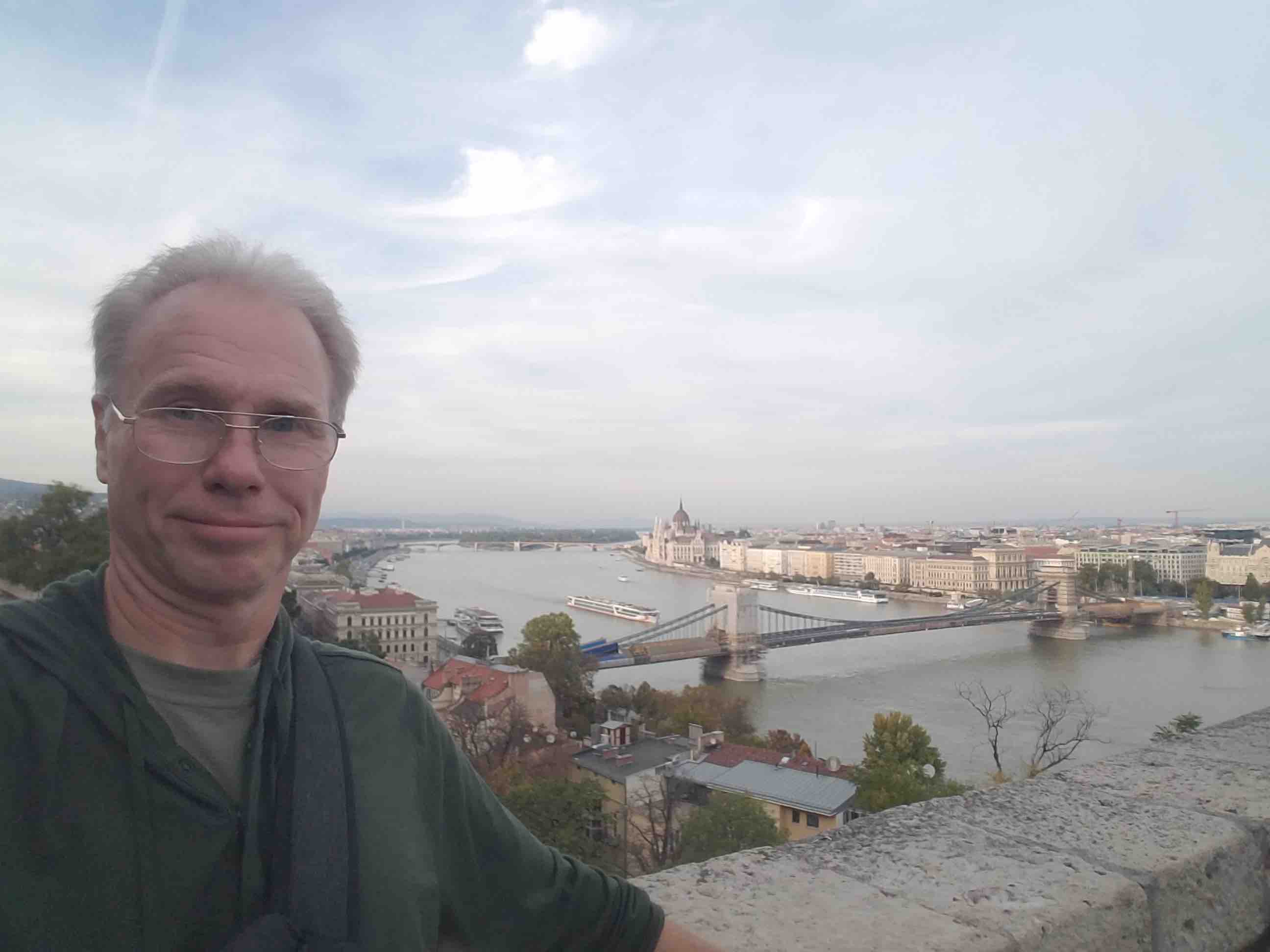
Overlooking the Danube, from Buda Castle, in Budapest. The famous parliament building stands at the center.


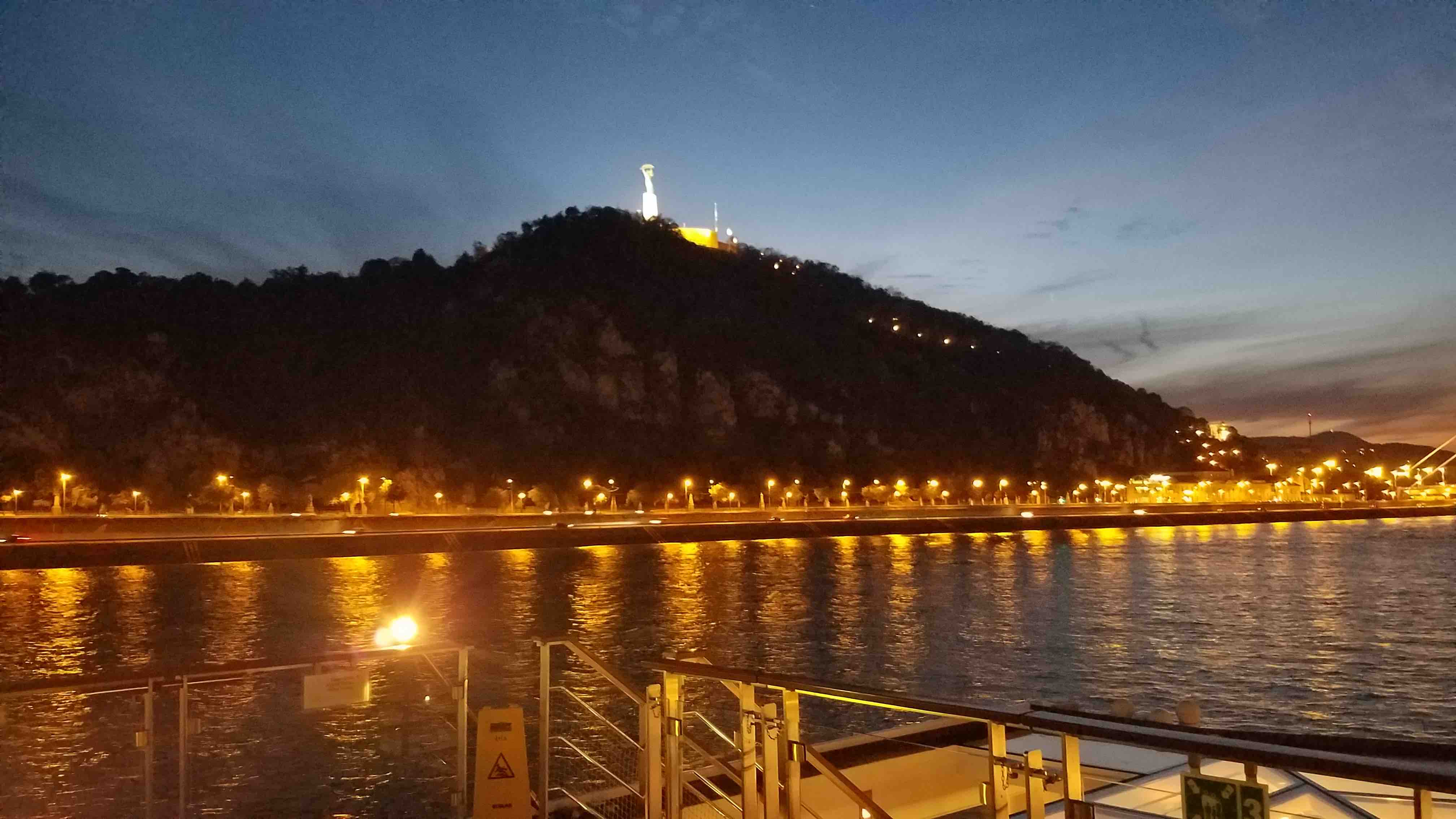
Evening in Budapest, highlighting the hill where the Soviet’s erected the “Liberty Statue.” Unfortunately, I could not get a closer picture of the statue because the park where the statue is located was closed for renovations. Many locals in Budapest refer to the “Liberty Statue” satirically as the world’s largest bottle opener.


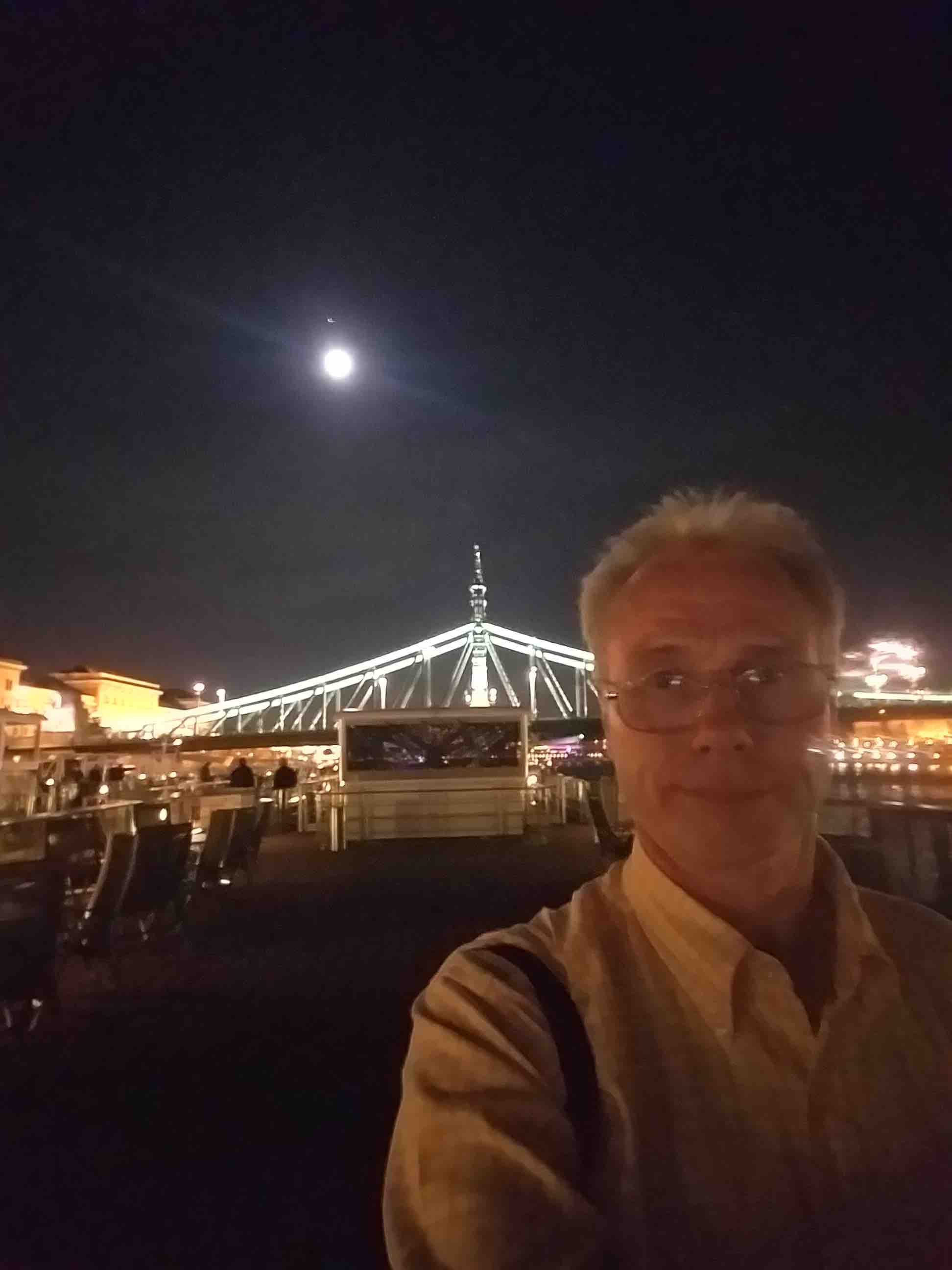
Full moon, on the Danube, in Budapest.


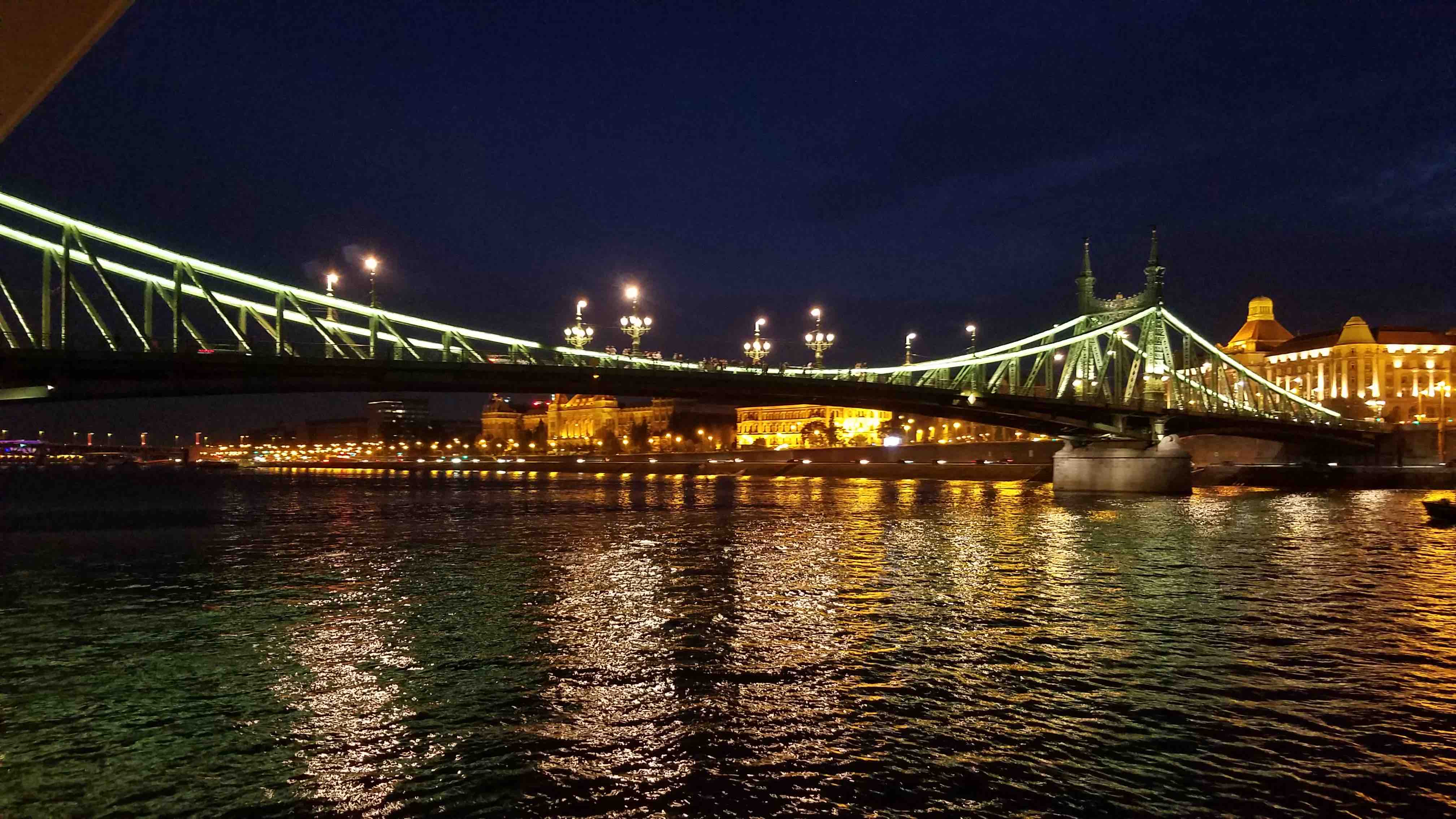
Nothing beats the look of Budapest and the Danube at night.


Andy Stanley Responds to His Critics (Again)

Atlanta pastor Andy Stanley manages to stir up controversy every now and then, most recently with a sermon given earlier in 2018, about “unhitching” our faith from the Old Testament. Pastor Stanley was interviewed by apologist Dr. Michael Brown, on the Line of Fire radio program, where he was given the opportunity to respond to critics.

I may not totally jive with every statement Andy Stanley makes in his preaching, but I am totally on-board with his apologetics strategy. In sum, the message of the Christian faith, is driven first and foremost by an event, and not a text. We begin not with a perfect Bible, but rather, with the evidence of the Resurrection of Jesus. Some of the friends in my church call this the “Easter Effect,” whereby almost the entire Roman Empire, in the first centuries of the church, was converted to Christianity on the basis of the claim of the Risen Jesus. We get our understanding of the Bible’s authority from the Risen Jesus, and not vice-versa.

For if Jesus never rose from the dead, our confidence in the Bible means absolutely nothing. But because Jesus did rise from the dead, the Bible comes to us as God’s Word, and means everything to the follower of Jesus.

In other words, it is not enough to say, “the Bible says it, I believe, and that settles it.” Rather, “I believe the Bible, because it is true.” There is a big difference.

Give it a listen, and let me know what you think. Do you think I am wrong about this? Is Andy Stanley on target, or is he veering off the mark? Veracity has covered Andy Stanley before on several occasions (#1, #2, #3). The audio starts about 20 seconds in.


The Book of Habakkuk: In Seven Minutes

If you want a brief introduction to the Book of Habakkuk, with some helpful visual illustrations, it is worth watching this 7-minute video by the “Bible Project.”  For another, deeper look at Habakkuk, with respect to how one verse in this book impacted the Protestant Reformation, take some time to ponder this post on Veracity, from earlier last year.


One Reason Why John Stott’s Stand Against Martyn Lloyd-Jones Mattered

Fifty years ago this week, the great British evangelical independent preacher, Martyn Lloyd-Jones, clashed with Anglican, John R.W. Stott, another great British pastor, over the future of the evangelical movement in the United Kingdom. Jones was urging evangelicals to leave corrupt institutions, whereas Stott pushed back, reminding fellow evangelicals of the importance of maintaining a Christian witness. Stott’s argument won the day, yet Puritan historian, Iain H. Murray, believes that the acceptance of Stott’s efforts led to evangelical compromise. However, the following blog post, by British blogger Alastair Roberts, offers a different perspective, that I find helpful to think about.

Alastair Roberts's avatarAlastair's Adversaria

A couple of days ago, Justin Taylor published an interview with the Rev Dr Andrew Atherstone, upon the fiftieth anniversary of a pivotal event in English evangelical history. At the National Assembly of Evangelicals on October 18, 1966, two of the biggest figures among British evangelicals in the day, the Welsh minister of Westminster Chapel in London, Martyn Lloyd-Jones, and John Stott, rector of All Souls Church, had an important dispute about the future of evangelicals within the Church of England.

Lloyd-Jones gave an address calling for evangelicals to pursue visible unity with other evangelicals, accusing Anglican evangelicals of schism for their failure to unite with evangelicals outside of the Church of England, and of serious compromise for their continued involvement in a mixed denomination alongside doctrinally and spiritually unfaithful persons. Although he was the chairman, Stott publicly responded to Lloyd-Jones’ remarks, resisting his claims and appeal to Anglican evangelicals.

View original post 1,180 more words