Monthly Archives: October 2025

Zwingli in Zurich: Part One (God’s Armed Prophet)

From the Christianity Along the Rhine blog series…

On this Happy Reformation Day, we ask: Who was Huldrych Zwingli?

Huldrych Zwingli is not as well known as the two leading lights of the 16th century Protestant Reformation, Martin Luther and John Calvin. But among the Swiss, Zwingli was the most influential of the Reformers … until he was killed in battle at age 47.

But if he was such an important historical figure, why do so few Christians know anything about Zwingli?

I think I know why: The irony of Zwingli’s death was that he was caught between his pride of the Swiss people and his hatred of the mercenary movement, whereby various European powers would offer pensions to Swiss men to go off and fight their wars. In the end, a combination of his Swiss pride and theology of the church overtook his rejection of military service, and he died at the end of the sword, all while preaching the Gospel. He was Zwingli: God’s Armed Prophet, the title of a fascinating biography of the Swiss Reformer by Yale historian Bruce Gordon.
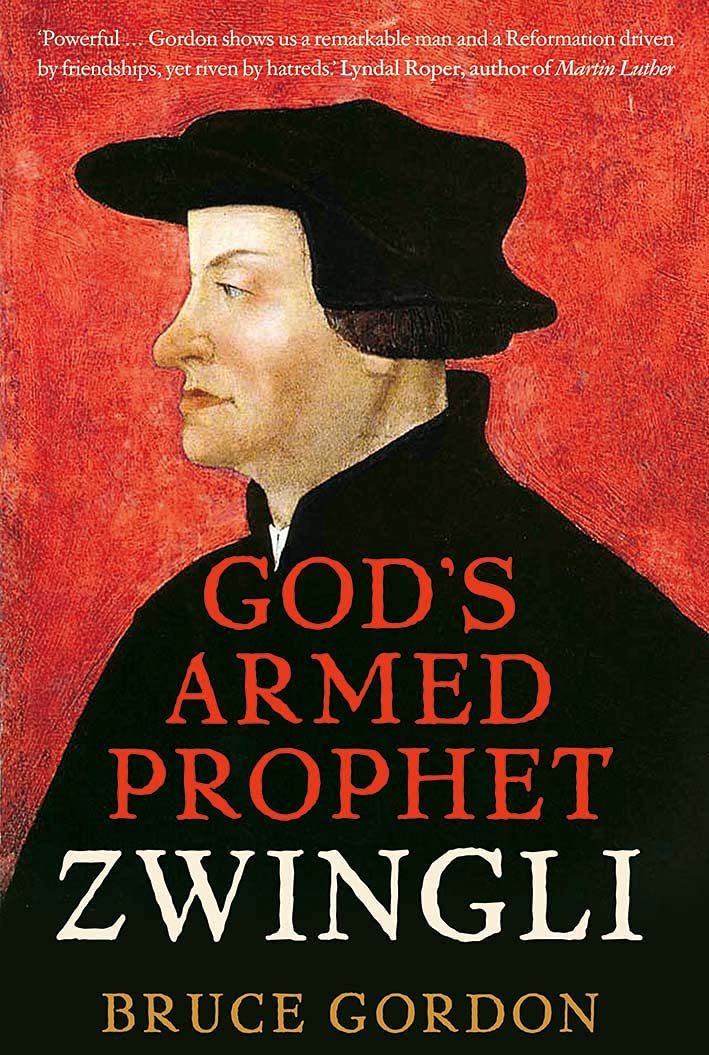
 

Zwingli: God’s Armed Prophet, by Bruce Gordon, is the most recent biography of the great Swiss Reformer of Zurich.


A Visit to Zurich, Switzerland

My wife and I took a trip to Europe in 2025, spending a few days in Zurich, Switzerland, where I got to explore the city where this relatively unfamiliar giant of the Protestant Reformation preached his sermons, lambasted by both the Roman papacy and fellow Reformer Martin Luther. This is the first of two “travel blog” posts covering the often forgotten Huldrych Zwingli.

The church where Zwingli preached in the 16th century, the Grossmünster, still stands in the center of the city of Zurich. After taking a boat cruise on Lake Zurich, which feeds the Limmat River, I walked up the road just a block or so alongside the Limmat. There I found a statue of the Reformer, with both a Bible and a sword in hand, sculpted by the Austrian artist Heinrich Natter, and dedicated in 1885.

Many historians do not know quite what to do with Zwingli. The idea of a pacifist-leaning preacher, who ironically was killed in battle, proved to be just one of the many contradictions of Zwingli, sidelining his historical memory among the Protestant Reformers. He upheld the authority of Scripture, and Scripture alone, but when confronted by more radical reformers that infant baptism was not explicitly taught in Scripture, Zwingli felt compelled to support efforts by the civil magistrates to have such radical reformers put to death. Zwingli was known to be a proficient musician, and yet he banned singing in worship in his Zurich church. In his earlier years, he had a spiritual conversion experience all while engaging in multiple premarital sexual relationships as a priest, and being rather unrepentant about it.

As a result of such embarrassments, it is hard to find the bulk of Zwingli’s written works translated into English. Not so with Luther and Calvin, whose books are translated widely and are still read today. Nevertheless, it is difficult to imagine how the Protestant Reformation would have taken off as it did without the intellectual talents of Zwingli driving it along.
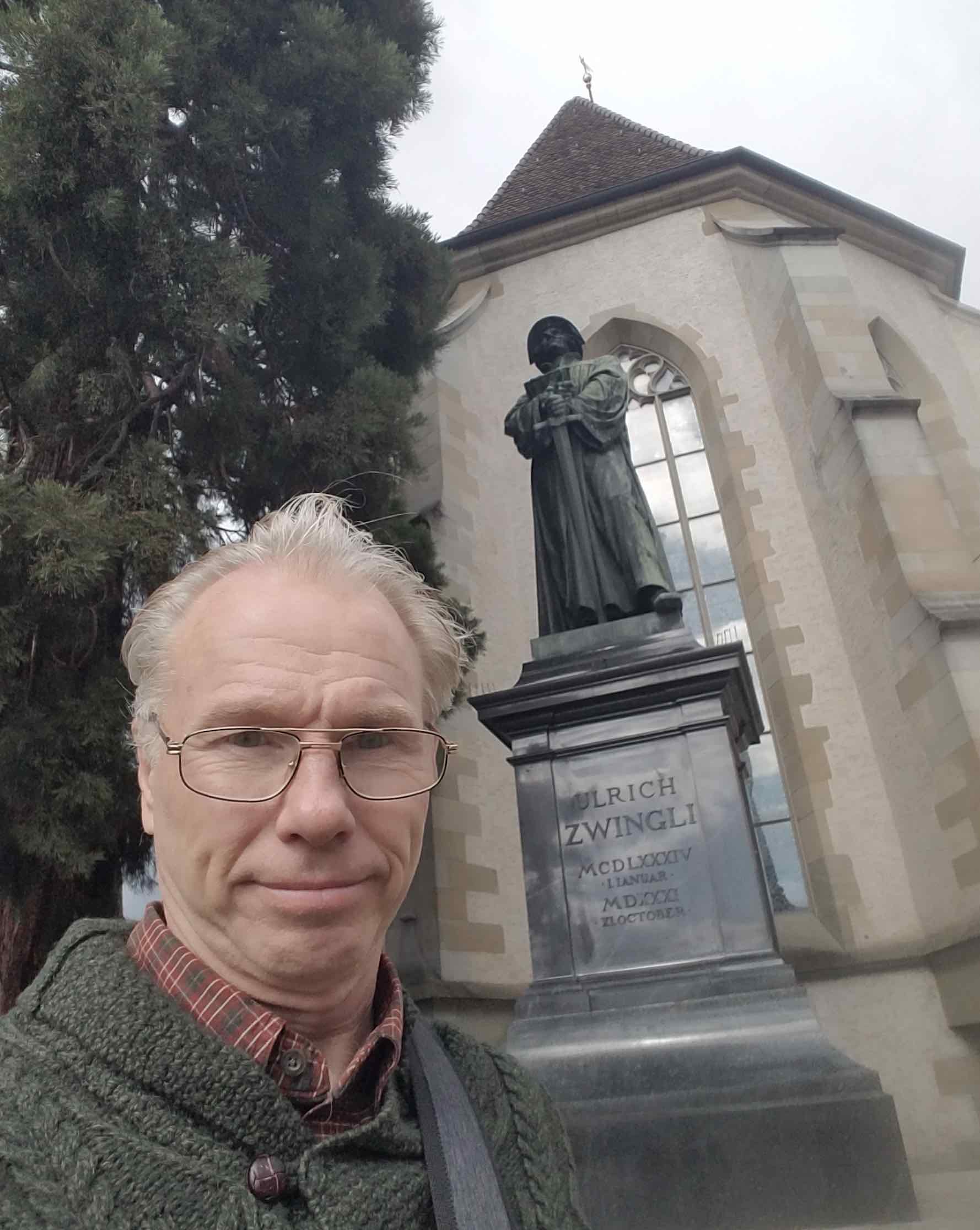
Unveiled in 1885, a statue of Zwingli stands in front of the Wasserkirche, or “Water Church,” in Zurich. The Reformer has both a Bible and a sword in his hands. I had the opportunity to explore the old city of Zwingli’s Zurich in October, 2025.


Zwingli’s Early Years

While Martin Luther taught in Wittenberg, Germany, Zwingli became the “people’s priest” in Zurich, Switzerland. Both Luther and Zwingli had become enamoured with Desiderius Erasmus’ Greek New Testament, marking a drastic change in each man’s outlook on the Bible at nearly the same time. But in many ways, Zwingli was ahead of Luther. Zwingli married Anna a year before Luther married Katie. Zwingli’s Swiss German translation of the Bible preceded Luther’s German translation by several years.

Born in a Swiss alpine village in 1484, Zwingli excelled as a student, going off to school at age 10 in Basel, and then attending university in Vienna at age 14, before returning to Basel to finish his college education. At age 22, he became a priest in the Swiss community of Glarus.

It was in Glarus that Zwingli experienced the cultural dilemma of the Swiss people. Though Zwingli had a fairly modest and financially stable upbringing, most Swiss had difficulties making ends meet. As a result, many took up military service for hire, as representatives of the papacy in Italy and their opponents in France would seek out Swiss men to serve as mercenaries, offering them pensions, though only half would live long enough to return home. It was the most practical way a Swiss man could provide for himself and his family, by effectively selling themselves for a period of time as a slave to fight wars for other people. As a priest, Zwingli accompanied his people into battle, and he became disillusioned with the whole mercenary system.

After returning from one military disaster, Zwingli went to Basel to meet Desiderius Erasmus, to learn more from the man who gave the Western world a new authoritative Greek New Testament. Zwingli’s meeting with Erasmus set the trajectory for the rest of his life. Later that year, Zwingli moved to a Benedictine Abbey in Einsiedeln. It was during these few years when he experienced spiritual upheaval.

On the one side was the reform of  Zwingli’s own spirituality, inspired by Erasmus’ work on the Greek New Testament. On the other side, Zwingli was caught up by the tensions of trying to live a celibate life as required of all medieval Catholic priests. However, it was commonly accepted that while priests were expected not to marry, they nevertheless had discreet sexual relations along the side. This was true for Zwingli as well.  While in Einsiedeln, Zwingli got a woman pregnant, and was known to have fathered at least one illegitimate child. Nevertheless, God was starting to take a hold of Zwingli’s life while in Einsiedeln. Zwingli’s years in Einsiedeln prompted him to make a bold change in his life. That change led him to Zurich, Switzerland.
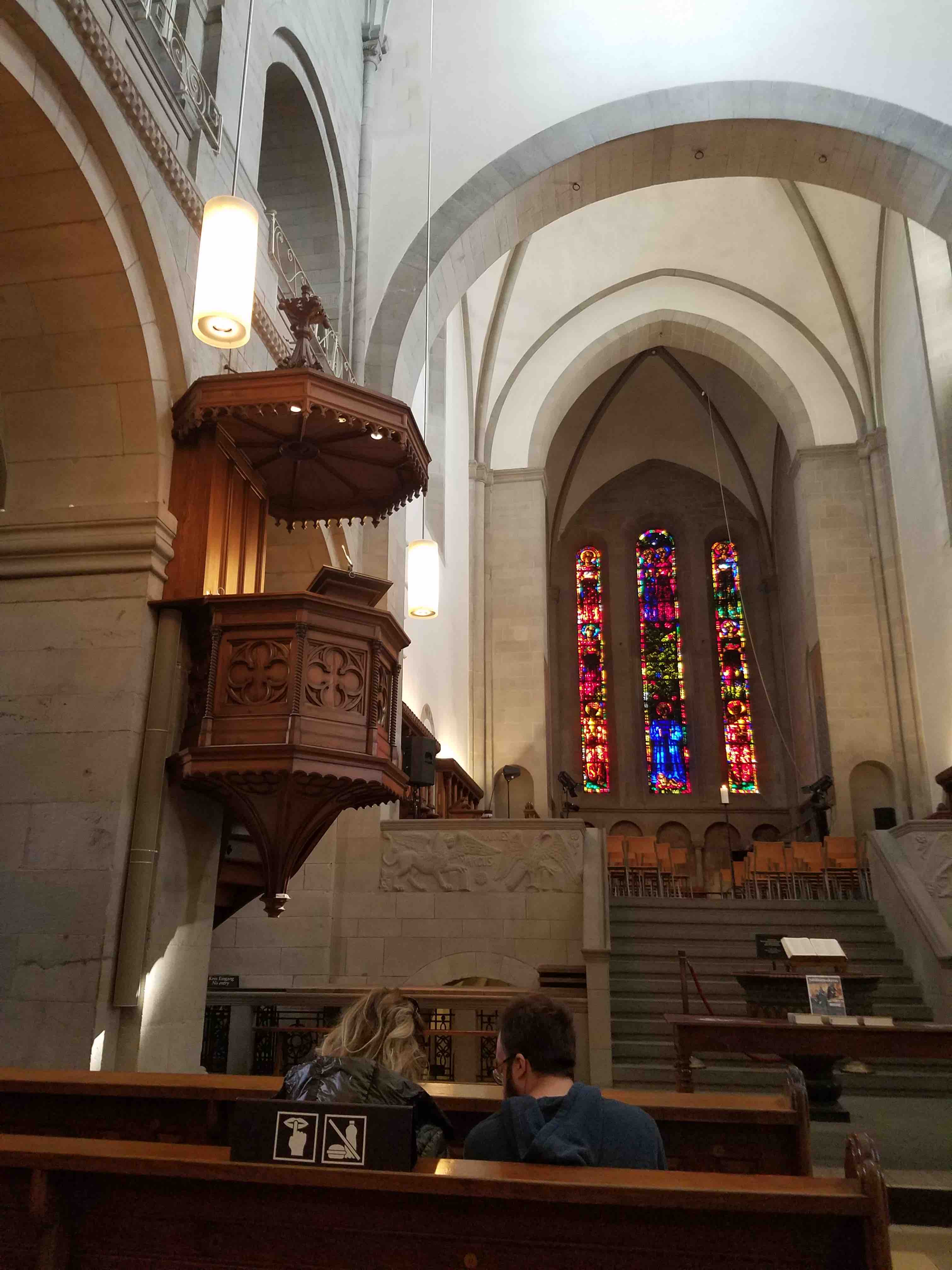
The pulpit from where Zwingli preached, at the main city church of Zurich, the Grossmünster.


Zwingli Goes to Zurich: The “People’s Priest”

The opportunity came for Zwingli to become the “people’s priest” at the Zurich church, Grossmünster in 1518. His election to the position was almost derailed by rumours of his sexual past. Furthermore, he had only been preaching for several months before the plague swept through Zurich, and nearly killing Zwingli himself. Zwingli survived, viewing his recovery from the plague as a sign of God’s blessing.

Zwingli’s preaching took up reformation themes. He rejected the intercessory powers of Mary and the saints, denied the existence of purgatory, and assured his parishioners that their unbaptized babies were not damned.

Zwingli was not afraid of challenging other preachers. During one sermon delivered by a Franciscan monk regarding the veneration of the saints, Zwingli himself shouted down the speaker, “Brother, you are in error!” Zwingli’s strategy was to force a public debate with detractors, with hopes of enlisting support from the Zurich city magistrates. The strategy worked.

But his most controversial preaching was in objecting to the Swiss mercenary practice, and the obtaining of pensions for such service, as offered through outside entities, including the papacy. Though once a loyal servant of the papacy, Zwingli had slowly been transformed into an irritant in the eyes of Rome.

By 1522, he even secretly married a young widow, who already had several children, Anna Reinhart, a woman who had assisted Zwingli to recover from the plague. Zwingli no longer could abide by the celibacy requirement for priests established by Rome.

Notable public controversy ensued when that year he met with a group of friends, where the others in the group ate a meal of sausages, in violation of the rules of the Lenten fast. Zwingli did not partake, but it was evident that he was the primary instigator. His pursuit of reforms even caused trouble with his friendly correspondence with his mentor Erasmus.

Zwingli wrote to Erasmus believing in the perspicuity (or clarity) of the Scriptures.  Erasmus in turn regretted the radical nature of Zwingli’s thought. Erasmus had urged for reform, too, but he still thought that no one could read the Scriptures on their own without assistance from the magisterial teaching authority of the church to properly guide the reader. Their differences led to a falling out for their friendship.

Erasmus had good grounds for being wary of Zwingli’s radical leanings as signs of instability. In 1520, Zwingli believed at first that the tithe was not sanctioned by the Bible, and could be abolished.  But when more radical reformers took him up on rejecting tithing, Zwingli shifted and commended that civil magistrates could collect tithes, just as long as the civil powers did not exploit the people  (Gordon, p. 96-98). A similar situation developed when Zwingli urged that ornate artistry be removed from the churches, as such imagery violated the second of the Ten Commandments.  But when more radical reformers took Zwingli’s teaching to the next level and destroyed altars, such that the wood could be sold to assist the poor, Zwingli rejected such iconoclastic activities as threatening the stability of the social order (Gordon, p. 102).
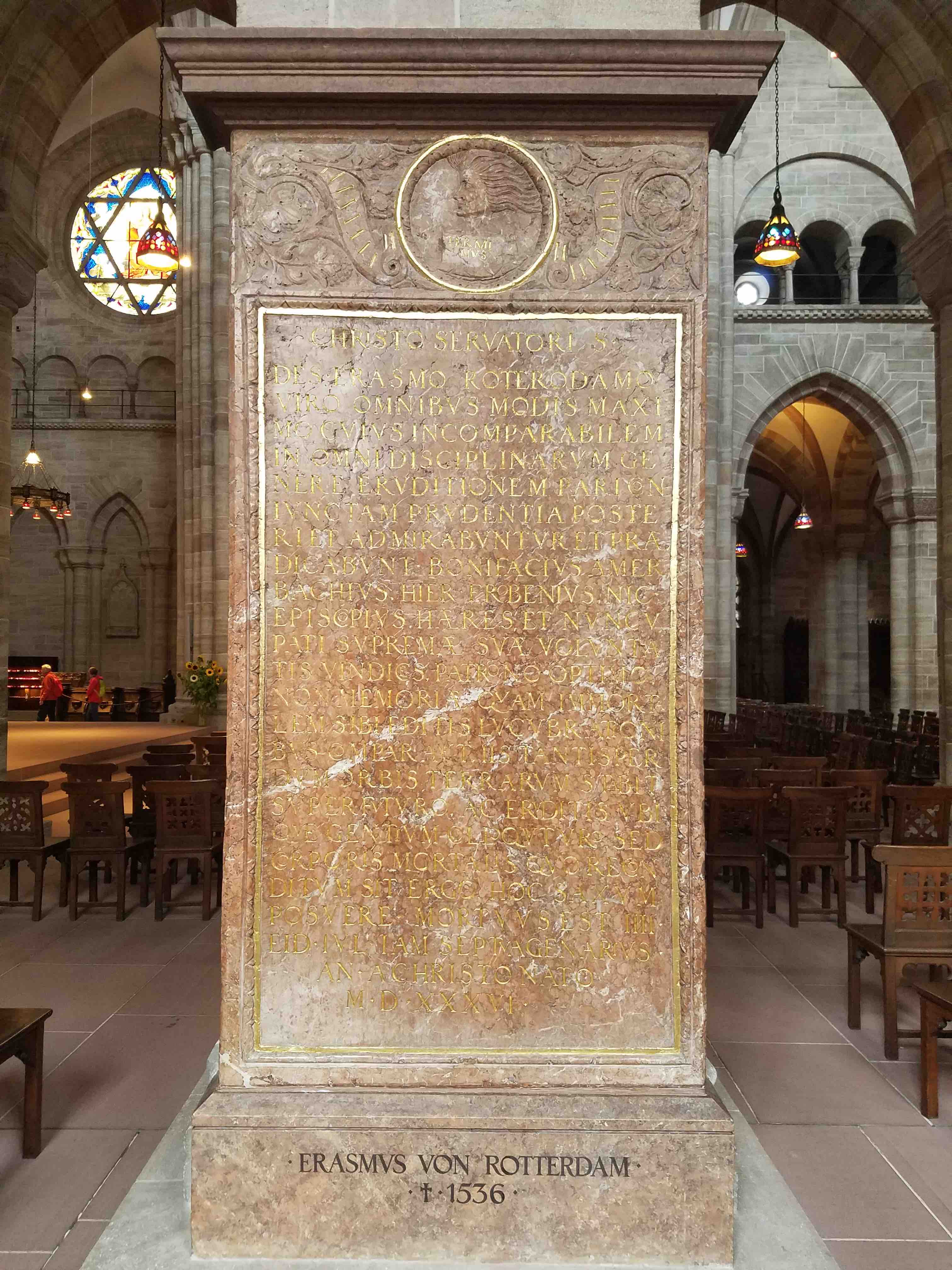
Desiderius Erasmus, the humanist who gave the Western world the first authoritative Greek New Testament in the 16th century, remained a Roman Catholic his whole life. Erasmus believed that Zwingli’s reforms had gone too radical, and broke his friendship with Zwingli. Nevertheless, when Erasmus died, he was buried in the city cathedral of Basel, Germany, a Protestant church, a remarkable gesture suggesting that Protestants and Roman Catholics are not as far apart as is commonly believed. … After two days in Zurich, my wife and I traveled to Basel, where I saw Erasmus’ grave here.


The Church Visible and the Church Invisible

Part of Zwingli’s shifting views on tithing and iconoclasm were a result of his developing views on the nature of the church. Zwingli believed in the church visible and the church invisible. The church visible was made up of people who attended church and participated in a Christian society. The church invisible were those genuine believers and followers of Jesus living among the church visible. Zwingli’s theory of how the state related to the church depended on this visible/invisible distinction. The more radical reformers, inspired by Zwingli, such as the Anabaptist leaders Konrad Grebel and Felix Manz, rejected infant baptism as being not taught in Scripture in their view, and urged true believers to take on adult baptism. These Anabaptists were rejecting their infant baptisms as valid, much to the consternation of Zwingli who saw the Anabaptist movement as a threat to his understanding of the visible church.

Zwingli saw the church as a parallel to the ancient Israelites. Just as circumcision was the primary identity marker for Old Testament Jews, so was baptism the primary identity marker for Christians. The Jews were God’s old covenant people, whereas the church was God’s new covenant people. For Zwingli, baptism was  “a covenantal sign that does not in itself or as an act impart or even strengthen faith. Zwingli rejected what he saw as the pernicious Anabaptist argument that baptism was a pledge to live a sinless life, a position he claimed was a new form of legalism to bind the conscience. It would make God a liar, as such lives were not possible. ” (Gordon, p. 126-127).

Zwingli acknowledged that the New Testament nowhere explicitly mentions that infants were to be baptized. However, to use that as an argument against infant baptism was no different than saying that women could be denied the Lord’s Supper, since there were evidently no women present when Jesus celebrated the Last Supper with his male disciples (Gordon, p. 127)

“Baptism is the rite of initiation into the covenant of Christ, as circumcision was for the Israelites. Circumcision did not bring faith: it was a covenantal sign that those who trust in God will raise their children to know and love God. Instruction follows initiation, so children are baptized and then are taught the faith. Baptism cannot save, but it is a sign or pledge of the covenant God has made with humanity. It was instituted by Christ for all” (Gordon, p. 127).

On the other side, Zwingli continued to receive serious pushback from the Roman Catholic papal authorities, who viewed Zwingli as much of a dangerous rebel as were the Anabaptists. Zwingli got on the theological radar of Johann Eck, one of Martin Luther’s fiercest theological opponents. For Eck, Zwingli was infected with the same mind virus as Luther.  Eck cited Paul’s letter to Titus in reference to Zwingli:  ‘After a first and second admonition, have nothing more to do with anyone who causes divisions, since you know that such a person is perverted and sinful, being self-condemned’ (Titus 3:10–11; Gordon, p. 123).

Zwingli’s outspoken views eventually would lead to a crisis, which ended poorly with him and his family. In the next part of this two part look at Zwingli’s life, we will consider the last few years of the Protestant reformer of Zurich.

In the meantime, enjoy this video interview with the author of Zwingli: God’s Armed Prophet , Bruce Gordon, as he talks about his book:
Christianity Along the Rhine: A Travel Blog Series

My wife and I just got back last week from a 12-day trip to Europe, and I am excited to blog about it.

The main focus of the trip was a week-long Viking river cruise along the Rhine and Moselle Rivers, starting in Basel, Switzerland and ending up in Trier, Germany. The river cruise was bookended with a two-night stay in Zurich, Switzerland on the leading end, with a two-night stay in Paris, France on the final end. For a church history enthusiast like myself, it was an amazing experience.

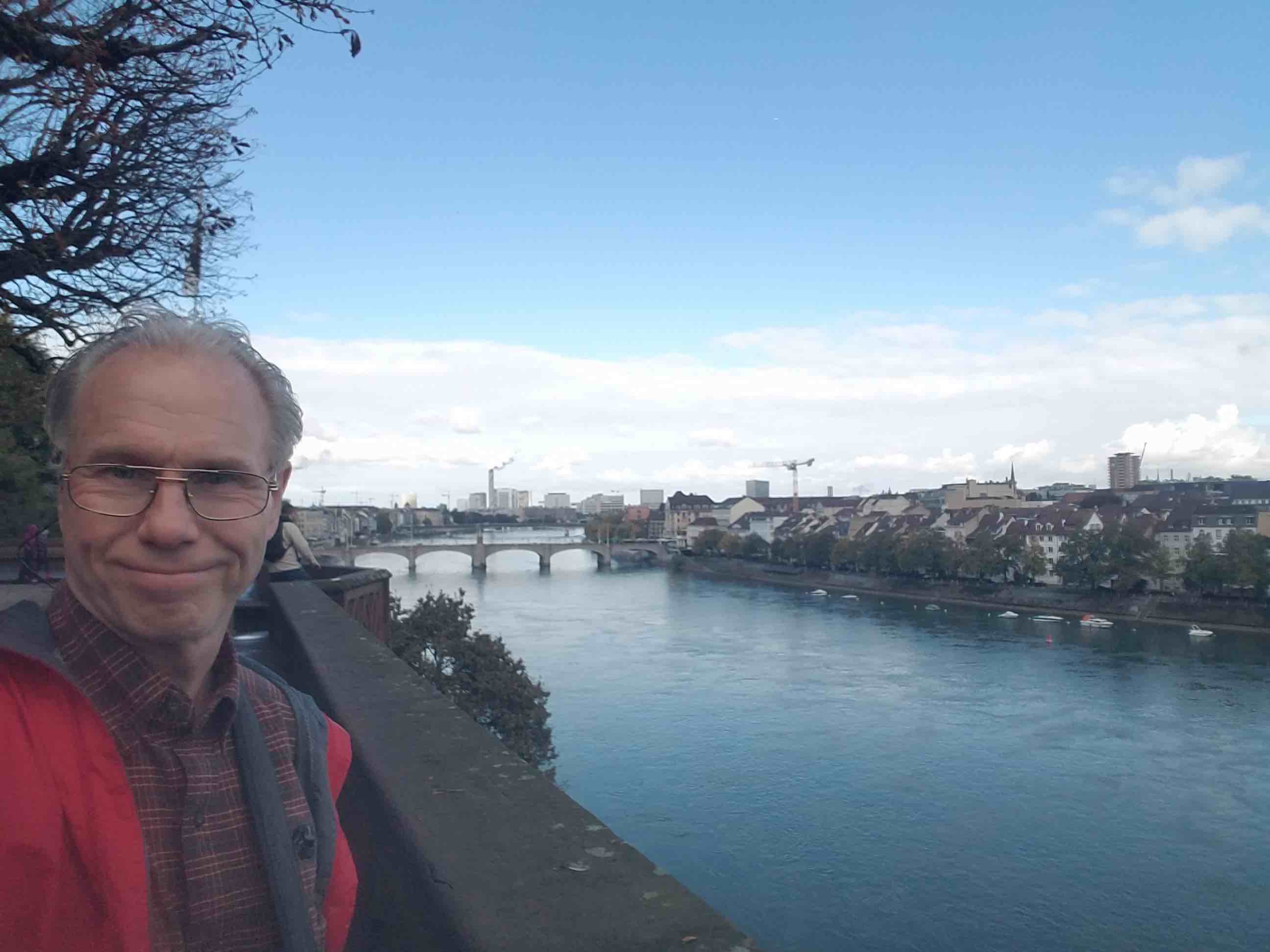
Veracity blogger above the Rhine River, in Basel, Switzerland.  October, 2025.


Over the next few months, and into the New Year, I will be periodically releasing blog installments covering different elements from our tour along the Rhine River, with highlights both before and after (SEE INDEX OF INDIVIDUAL BLOG POSTS BELOW!).  As usual, I got some book reading done before and during the trip, and I will be narrating those book reviews as I share some photos of the experience.  The land we traveled through during our trip is incredibly rich with church history (and history in general).

This is not the first time I have put together a travel blog series on Veracity. I got inspired to do this from some of the trips our Veracity blog founder, John Paine, took several times to Canada (in Toronto) and England (to see Codex Sinaiticus at the British Museum in London) a few years ago.  Thanks, John.  I am blaming you for all of these blog posts!!  😉

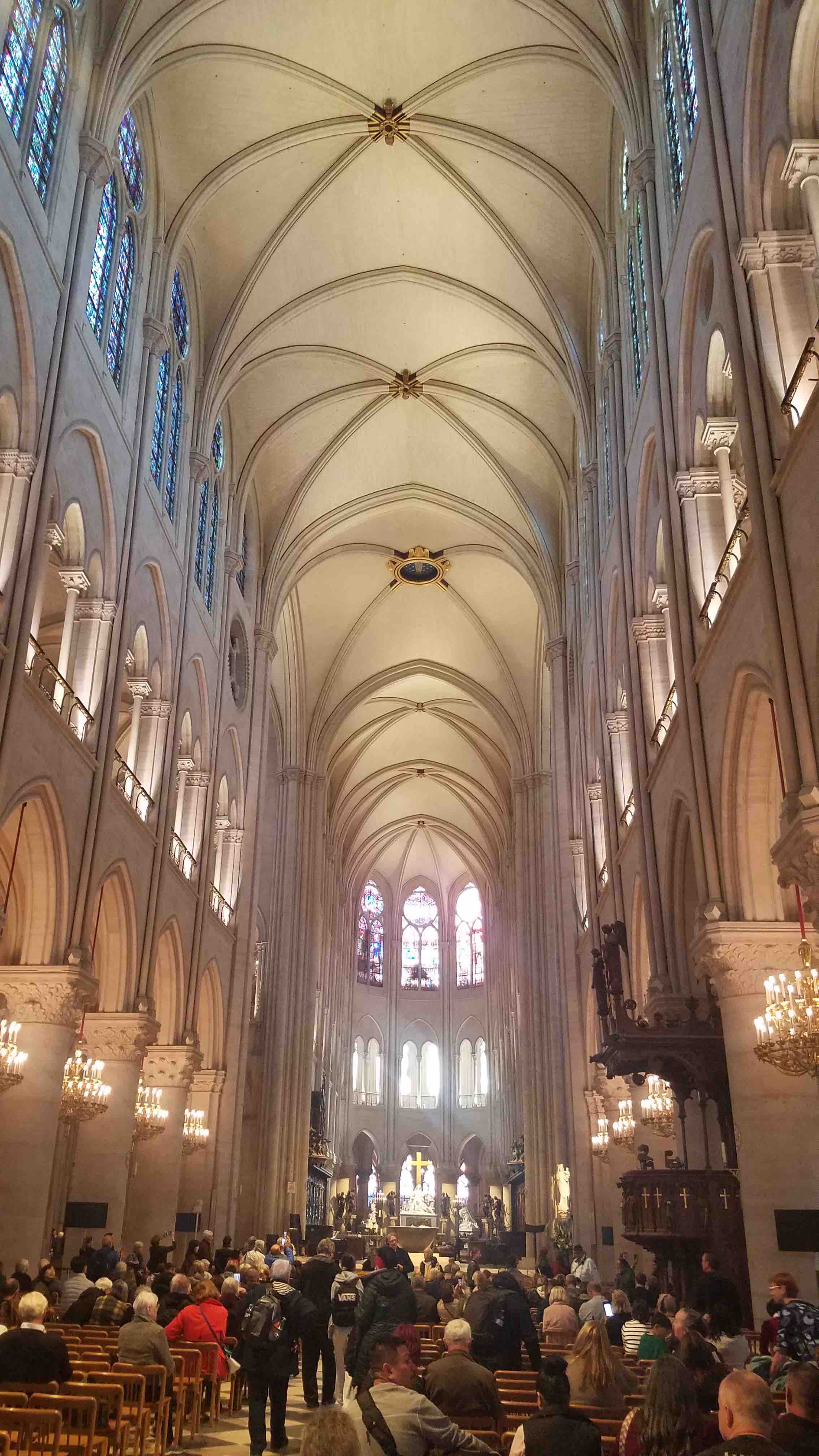
The newly restored Notre Dame Cathedral, in Paris, France. The fire in 2019 did a lot of damage, but the structure of building remained sound.  The restoration effort was impressive, as the inside of Notre Dame is much brighter than before. Centuries of candle smoke had darkened the Cathedral, but now it is a most glorious sight!!


Back in 2018, my wife and I spent 2 1/2 weeks in Rome, Italy, which still stands out to me as the best trip of all. I could have spent a whole month there and not seen everything. We had saved up for years to make this trip, and it was fantastic. It was a lot of fun to meet up in Rome for a full day with our friends Marie Knapp, and her (now) late husband Troy Knapp.

In October 2022, we took another river cruise, but this time down the Danube River, from Regensburg, Germany to Budapest, Hungary.  This was part of a full three-week tour of six European countries, to celebrate our 20th wedding anniversary. We were able to spend a few days earlier in Munich, and then after the Danube, a few extra days in Prague, followed by a few other days in Italy/Sicily.

For Christmas 2023, we were invited by our friends, Shannon and Andrew Bodine, to visit in Brussels, Belgium. After seeing the Christmas markets and Waterloo battlefield, we got on a train to cross the English Channel to make our way to Cambridge, England, where we met up with other friends, Jon and Meredith Thompson, who just happened to be in Cambridge for a few weeks while we were in the area. Pretty cool!

This recent trip along the Rhine River was special, and particularly enjoyable, as during the last two prior trips I got sick, which was not terribly fun. But this time, no Covid and no flu!! Yeah! …. The only downside to this recent trip was that there was constant activity, and not a lot of downtime. I need a vacation from my vacation!

Marksburg Castle, above the Rhine River, in Rhineland-Palatinate, Germany. The castle first dates back to the early 12th century, but had been damaged some over the years, most recently by American artillery during World War II.


I have to say that Viking has figured out how to do river cruises. They have had ads all over the PBS television network for decades, and we got to see for ourselves the famous section along the Rhine where all of the castles are featured in those ads.

The food was fantastic. We had excellent tour guides, even though the walking element on all of those cobblestone streets was very challenging for my wife. Going through the river locks appealed to my nerdy engineering side. I highly recommend doing something like this if you have the chance.

The first couple of blog posts in this series will be about the 16th-century Protestant Reformer, Huldrych Zwingli, of Zurich, Switzerland, who has become largely forgotten among Christians today, despite his enormous impact on Christian theology. I will keep a running tab and index of blog posts updated here at the bottom of this post, as reference.

Enjoy!


A cable car ride over the Rhine River, with our Viking longship below. Koblenz, Germany.


Heidelberg, Germany. Looking up towards the castle.


The town of Cochem, Germany, along the Moselle River.


Here is a reference list to previous travel blog post series, along with a list of posts to the current series…..

First, from Rome…………


Next, from Christianity along the Danube, with some time in southern Germany, along the Alps, and over to Prague, as well…….


Before our recent trip down the Rhine River, over Christmas of 2023, we went to Belgium and Cambridge, England….

Coming soon….. Christianity Along the Rhine…..

…. more posts to come!!


Was Jesus Really Crucified on the Cross? … (Reviewing Basilides: the Oldest Gnostic, by M. David Litwa)

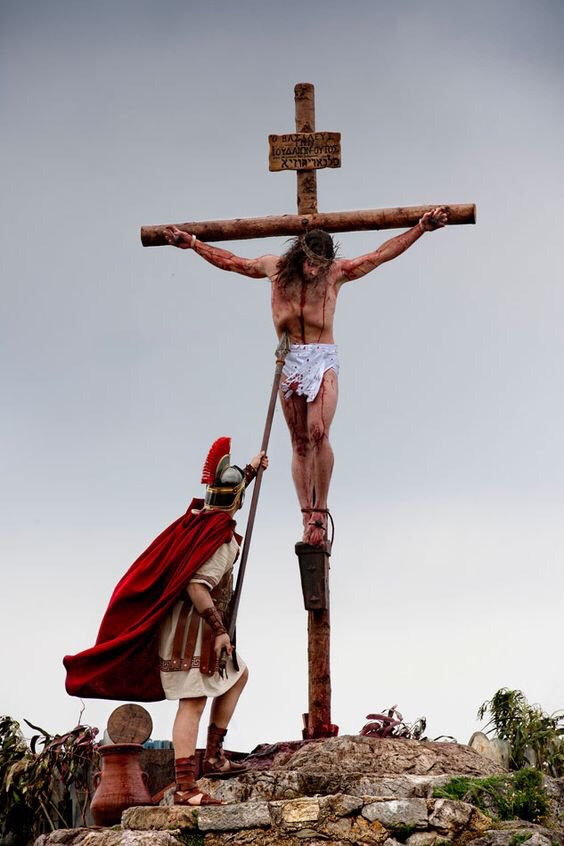
If there is one established fact that both conservative and liberal scholars admit about Jesus, it is that Jesus died a death on a cross by means of Roman crucifixion. However, in Islam, such a belief about the fate of Jesus is rejected.

In the Quran, Surah 4:157, states that the Jews “killed him not, nor crucified him, but so it was made to appear to them.” It was thought to be unbecoming for such a prophetic figure to die such a horrific death. But where did this belief denying the crucifixion of Jesus come from?

Perhaps the most likely source was associated with a Gnostic Christian teacher from Alexandria, Egypt, in the 2nd century, Basilides, who lived about the time of 117 to 161 C.E. According to Irenaeus, the 2nd century heresiologist who sought to expose the theological errors of Gnosticism, Basilides largely accepted the Gospel narratives about Jesus, but takes an unusual interpretive turn when it comes to the lead up to the crucifixion of Jesus.

Was Jesus really crucified on the cross? Or did someone trick the Romans with a switcheroo, and having Simon of Cyrene crucified instead?  Many Muslims hold to the idea that something like this really happened, and that Jesus was never crucified, and that someone else was crucified in Jesus’ place. Where did this Islamic belief about Jesus really come from?


In Mark 15, Jesus is mocked by the Roman soldiers and then led out to be crucified. But at one point:

21 …they compelled a passerby, Simon of Cyrene, who was coming in from the country, the father of Alexander and Rufus, to carry his cross. 22 And they brought him to the place called Golgotha (which means Place of a Skull). 23 And they offered him wine mixed with myrrh, but he did not take it. 24 And they crucified him and divided his garments among them, casting lots for them, to decide what each should take. “

Evidently, Jesus was struggling to carry his cross, so another man, Simon of Cyrene, was pressed into service to carry Jesus’ cross for him. Nevertheless, the traditional historical reading is that Jesus was brought to the place called Golgotha where he was crucified.

But Basilides (pronounced “ba-SIL-ih-deez“) saw some ambiguity in verse 22 of Mark’s Gospel (or the corresponding passage in Luke 23). Who was the “him” brought to Golgotha? If Simon of Cyrene was swapped out to carry the cross, would it not have been Simon of Cyrene who was then crucified, and not Jesus?

According to Irenaeus’ story, Basilides believes that the physical features of Simon of Cyrene and Jesus were swapped, to make it look like Jesus was crucified, when it really was Simon. As Simon was crucified, it was Jesus who stood by, laughing and ridiculing what was going on.

However, in M. David Litwa’s Basilides: The Oldest Gnostic, Litwa makes the argument that Ireneaus has confused the record of Basilides’ teachings with another Gnostic-influenced text, the Second Treatise of the Great Seth. Litwa maintains that Basildes actually believed that Jesus was crucified, and there was no supernatural switcheroo between Jesus and Simon of Cyrene at the crucifixion.

To complicate matters, the Second Treatise of the Great Seth itself is ambiguous enough to suggest that Jesus was not swapped with Simon at the crucifixion, and that Jesus’ “laughing” was not at Simon’s expense, but rather at the ignorance of those who ended up crucifying Jesus. Did Irenaeus misinterpret something here?

Litwa suggests that Irenaeus must have somehow mixed up the details of these reported events, thereby portraying Basilides as having denied the saving work of Christ’s death on the cross. Still, the damage done by Irenaeus, according to Litwa, continued to live on, and made its way into Islamic counter-narratives about the life and teachings of Jesus centuries after Irenaeus. Islamic apologists today still defend this claim, that Jesus was not crucified, though explanations from different Muslim commentators vary on the details.

In contrast, in Bart Ehrman’s Lost Scriptures, Ehrman holds to the view that Ireneaus did not distort the stories of Basilides or the Second Treatise of the Great Seth, reviewed elsewhere on the Veracity blog. Litwa’s work, however, argues that indeed Basilides still held to the orthodox view that Jesus was indeed crucified, while still acknowledging that Ireneaus was correct in describing a number of other Gnostic views of Christianity which conflicted with Ireneaus’ orthodox perspective on Christianity.

We have other sources outside of Irenaeus, where certain tangential Christian groups denied the crucifixion of Jesus, early on in the history of the church. The Apocryphal Acts of John, briefly examined before on the Veracity blog, holds to a docetic view of Jesus, one who is divine but only appears to be human. In these Acts of John, Jesus is incapable of suffering, which lends support to the idea that Jesus could not have been physically crucified. In the Acts of John, Jesus’ crucifixion on the cross was merely an illusion. The Second Council of Nicaea in the 8th century officially condemned these apocryphal Acts of John as being heretical.

Does Dr. Litwa successfully make his case, that the traditional story about Basilides handed down through the centuries was distorted by Irenaeus? Yes and no. When it comes to tracing back the claim that there was a switcheroo between Jesus and Simon of Cyrene when it came to the crucifixion, the evidence that Litwa presents is quite compelling. Basilides probably did accept the traditional story of Jesus’ crucifixion, without a switcheroo. In fact, when it comes to the canonical Gospels’ presentation about the life of Jesus, Basilides does sound quite orthodox. Perhaps Irenaeus’ critique of Basilides was overly harsh in certain places.

On the other hand, there is just enough crazy stuff in Basilides’ worldview that firmly plants him in a Gnostic mindset, enough to justify Irenaeus classifying Basilides as being a heretic, even without the Simon of Cyrene crucifixion switcheroo story. Aside from Irenaeus’ report, this is what we know:

Basilides believed that angels created this material world. Furthermore, he believed that there was a complex hierarchy of 365 heavens. For Basilides, salvation comes not through faith, as commonly understood, but through knowledge.  For Basilides, faith is really a form of higher perception and thought, and not a conscious choice. Though Basilides claims to have received this teaching from Saint Matthias, who replaced Judas Iscariot among the Twelve Disciples following the resurrection, ideas like those that Basilides promoted became common features of Christian Gnosticism.

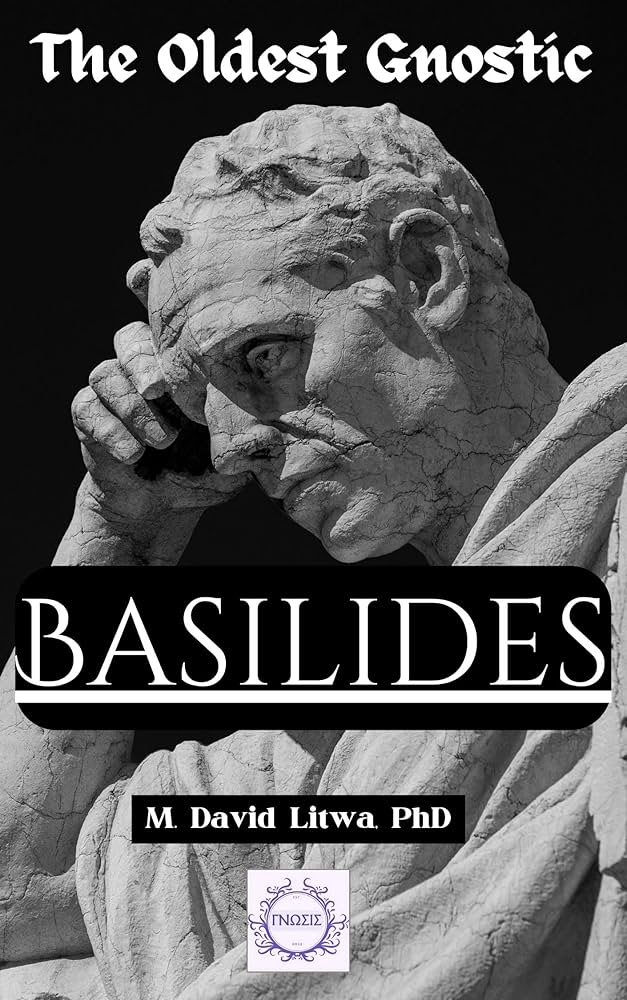
M. David Litwa’s Basilides: The Oldest Gnostic examines what we can know and what we do not know about perhaps the earliest Christian Gnostic, often associated by the church father Irenaeus, as the originator of the story that Jesus was never crucified. Litwa challenges the long held view that Irenaeus accurately described this teaching by Basilides.


Part of the problem with getting an accurate portrait of Basilides is that very little survives from what he wrote. Irenaeus in the late 2nd century gives us the most information, whom Litwa says was misinformed at key points. Litwa shows that about 36% of the claims made against Basilides by Irenaeus are contradicted by other source material. Much of what else we have come from fragments attributed to his son and true disciple, Isidore, preserved primarily from other orthodox sources like Clement of Alexandria. Basilides apparently drew on the same New Testament material that the orthodox community did, but Basilides had an expanded canon of authoritative teaching derived from Greek thought, such as Plato.

For example, Basilides accepted the concept of the transmigration of souls; that is, reincarnation, based on a particular interpretation of Deuteronomy 5:9:

“You shall not bow down to them or serve them, for I the Lord your God am a jealous God, visiting the iniquity of the fathers on the children to the third and fourth generation of those who hate me” (ESV).

For Basilides, one could only receive punishment for one’s own sins, and not the sins of others. Therefore, Basilides understands Deuteronomy as assuming that a sinful person would receive punishment for their sins in a future “generation;” that is, in some future next life, indicating a reincarnation of the soul.

However, most scholars interpret Deuteronomy as not affirming reincarnation, and that the Old Testament rejection of the transmigration of souls made its way into and was preserved by orthodox Christian thought.

Litwa also shows that some 64% of the claims against Basilides made by Ireneaus are unconfirmed by other sources. But since Ireneaus got 34% wrong, he should not be relied upon as an accurate source. Perhaps Litwa is right on that, but still, without other source material to challenge Ireneaus’ other claims, it is difficult to say.

Dr. Litwa, who once lectured at the College of William and Mary, where I work, and who received an advanced theology degree from Candler School of Theology, is a highly proficient scholar who is reviving interest in alternative Christian voices from the early church era. Dr. Litwa is quite drawn to the school of thinking pioneered by early 20th century German bible scholar Walter Bauer, that historic orthodox Christianity was but one voice in the world of early Christianity, competing against Gnostic voices like Basilides. For Bauer, what became Christian orthodoxy was simply one theological tradition among many different Christian traditions.

The Bauer historical project convinces a number of scholars today. However, Bauer’s thesis is problematic, a subject too involved to get into here, but addressed elsewhere on Veracity. Nevertheless, to his credit, M. David Litwa does well in correcting some misunderstandings of Gnostic teachers, giving us a broader history of the early Christian movement.

Dr. Litwa’s book Basilides: The Oldest Gnostic is a fairly short read, coming in at well under 200 pages. I listened to the Audible version of the book in less than a few hours.

Back to the question posed by the title of this blog post: Despite what Islamic apologists like to say, we have very good evidence that Jesus indeed was crucified. Jesus’ death on the cross is at the core of Christian confession, and it is well attested by evidence accepted by both Christian and non-Christian scholars alike.