

Early Christianity scholar, Candida Moss, of Notre Dame argues that Christians have overhyped the stories of martyrdom in the early church, having a negative impact on public discourse today in America. Is she right?
Are Christians in America being persecuted for their faith? The answer to that question largely depends on what you mean by “persecution.”
When I was a high school student in the late 1970s, I helped to start a prayer group with some friends of mine during the lunch period. One of my teachers, who I knew was a Christian, offered his classroom during his lunch hour so that we could meet and pray together. It was only a handful of us, but we witnessed a number of remarkable things as a result of these prayer meetings.
Within a few months our meetings were shut down by the public high school principal. Now, the principal was not an atheist zealot. He was actually rather sympathetic to what we were trying to do. Rather, he was just loathe to engage in any controversy, fearing that some atheist parent might call him up or write an angry letter about “separation of church and state.” So off we were sent back to the noisy cafeteria for our Christian fellowship.
The whole thing seemed rather stupid to me.
Students during the lunch hour could get a pass to go to the library and read a book. In the days before the Commonwealth of Virginia lowered the age for restricting the purchase of tobacco products, kids could go outside to the smoking area and enjoy their nicotine habit. So you could go to a quiet place and read a book, or you could smoke your way to lung cancer and early death, but you were not allowed to meet in an unused classroom to engage in Christian prayer.
Go figure.
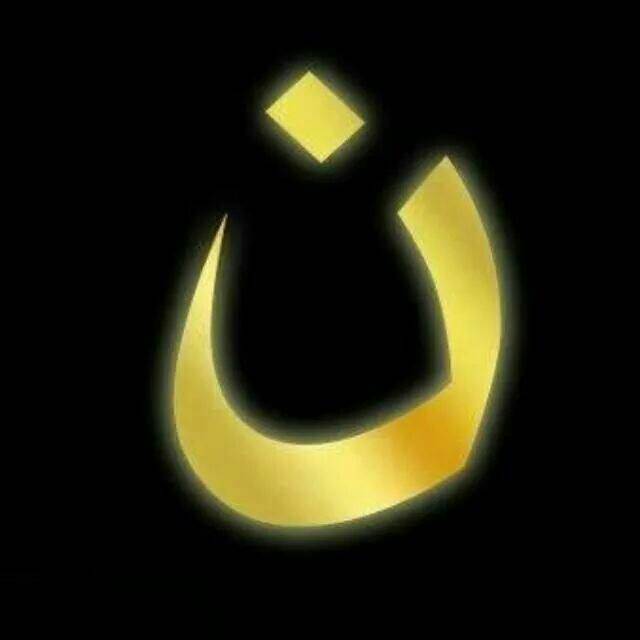
But was it persecution? Let me put it this way: The crackdown on our high school prayer sessions did not exactly exemplify the remarkable tradition of religious freedom that characterizes the best of the American experience. Our prayer meetings had been voluntary, student-led, and met in neutral space during the school day on a school-sanctioned break. But is it right to call its demise persecution? Well, it was inconvenient and annoying, but on the positive side having a prayer meeting shut down was sort of like a “badge of honor.” Merriam-Webster defines “persecute” as “to treat someone cruelly or unfairly especially because of race or religious or political beliefs,” so in some sense, interfering with a bunch of teenagers talking to God might qualify. But frankly, my lunchtime restriction was nothing compared to the life threatening treatment of Iraqi Christians fleeing for their lives for the past ten years.
You have to put things in perspective.
Nevertheless, a film released in the summer of 2014 plays on the theme of “persecution” in America. Is this something indicative of what is happening now, or is it a prophetic glimpse of what might eventually happen to Christians in America in the future? … Or is it just a bunch of nonsense?
Many cultural critics have dismissed the film as simply feeding into a Christian fantasy with an overtly political agenda. I was intrigued by one such negative film review by Candida Moss, a professor of New Testament and Early Christianity at the University of Notre Dame. As she puts it, Christian claims of persecution in America are so “middle school.”
Continue reading


 Veracity