
A pastor friend of mine, Claude Marshall, died yesterday after several years battling cancer.
When I had my bike accident in 2018, Claude was one of first people to greet me at the hospital. He modeled a real Christ-like witness to me, and had a wonderful, gentile heart as a pastor.
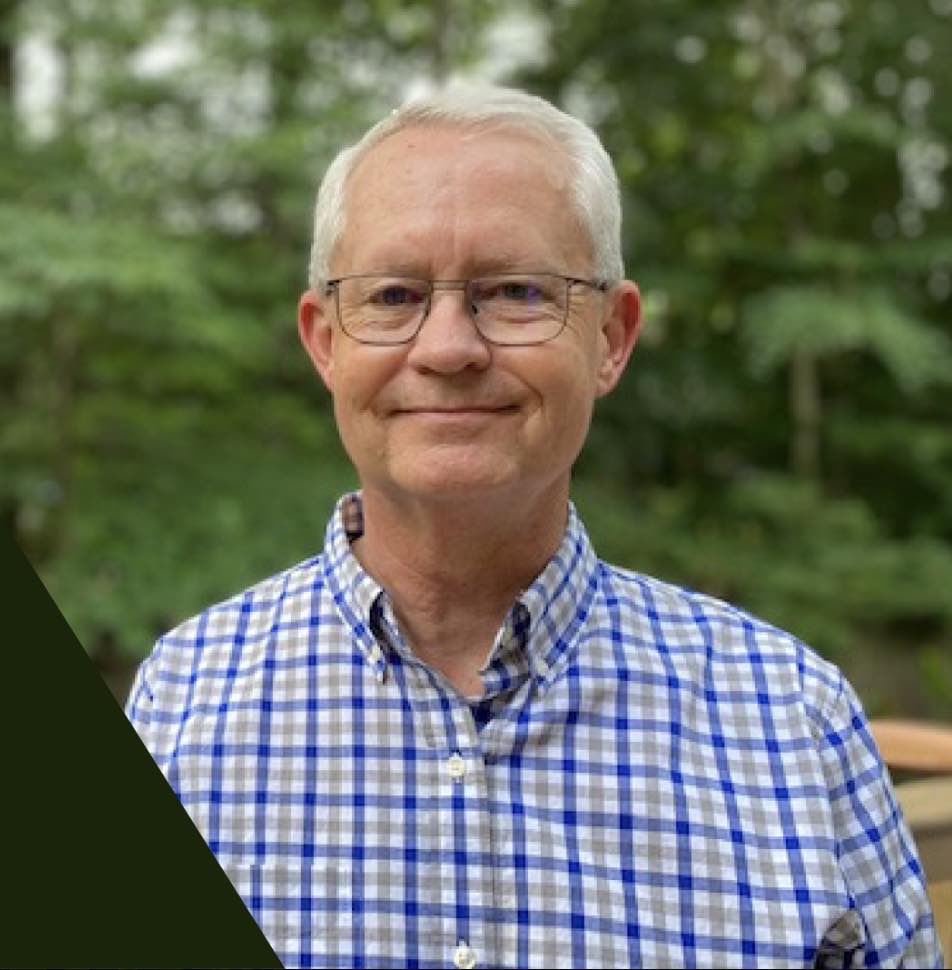
Claude Marshall: 1955 – 2024
I also appreciated Claude’s sharp mind and theological rigor. In his early days of his hospice treatment late this past summer, after it was clear that the cancer treatments were not going to produce the most desirable of results, I contacted Claude to find out what were the books that most influenced him in his spiritual and intellectual journey. I will go ahead and share them with you, along with a few quotes Claude made that I wanted to remember:
- John R. W. Stott’s Basic Christianity
- J.I. Packer’s Knowing God
- Eugene Peterson A Long Obedience in the Same Direction
- N.T. Wright’s Surprised by Hope.
- Michael Reeves’ Delighting in the Trinity
- Richard Hays’ commentary on 1 Corinthians: “Fresh, deep, and centered on the call to world evangelization.”
- John Perkins’ Let Justice Roll Down
- Dietrich Bonhoeffer’s The Cost of Discipleship
- Jean-Pierre De Caussade Sacrament of the Present Moment
- Other influential theological and spiritual writers: The Puritans, Tim Keller, John Piper, Jonathan Edwards, and the IVP Reformation Commentary on Scripture series
- “Augustine’s Confessions is so rich.”
- Herman “Bavinck’s theology is so thorough.”
- “The 3-part systematic theology by my professor at RTS [Reformed Theological Seminary], Douglas Kelly, has been a good recent read as he combines his synopsis of theological insights with quotes from church fathers.”
- Favorite novels: “The Grapes of Wrath and Crime and Punishment, both for the exploration of the challenges of human experience with a psychological slant. ….Lots of good history books, too, but I won’t list them.”
You simply can not go wrong diving into some of the titles of Claude Marshall’s “Best of” Reading List above. Without apology, I share much of Claude’s “reformed” theological convictions, as you can discover in thumbing through his list of books. I spell “reformed” in lower case, as my experience indicates a difference between “Reformed” (with capital “R”) and “reformed” in some circles.
What follows is from the last email exchange we had before it was apparent that the cancer was progressing quickly. I asked him about changes in evangelicalism that he has seen over many decades of ministry. He just gave me a list, with no other comment:
- A move from defending the authority of scripture to seeking relevance in the culture
- Culture wars and power seeking taking center stage
- Inviting women to the table (at least in some areas)
- Increased emphasis on world evangelization (Ralph Winter)
- Rise of the mega church
- Health and wealth gospel
- Evangelical population south of the equator
I wish he could have gone into more detail in this list as I am sure that a number of these changes, in his view, have been fairly negative developments that troubled Claude, while others are promising positive shifts. But here is a list of challenges which Claude shared with me for the church which we must face in the near future:
- Racism in the church
- Western evangelicals adapting to new roles in missions
- Loss of younger generations who see little relevance in the church
- Mission drift
Knowing Claude, that last one hit me hard, as I know that Claude was concerned about “mission drift” in the church, and that it was not a good thing. We need to stay focused on Christ’s calling. Thankfully, Claude’s faithfulness in his own Christian walk has been a model for me to stay focused on the things that really count.
Claude and I enjoyed having lunch at a local Thai restaurant in Williamsburg, talking about the books that we were currently reading. He liked trying out new things, and always greeted me and others with his gentle smile. He had a lot patience with people, was a great listener, enduring difficulties in relationships by always keeping his life centered on following the way of Jesus. Claude loved his family.
I will close with one of the last things Claude Marshall wrote me, starting with a lyric from a song by Andrew Peterson: ‘“When you lay me down to die, you lay me down to live.” The wonder that awaits! We have a glorious Savior!’
Well done, good and faithful servant.




 Veracity